
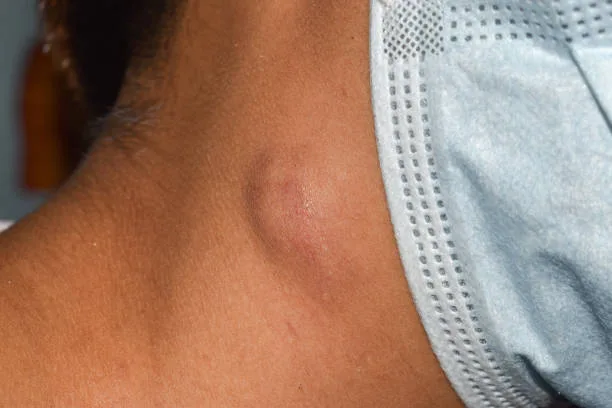
Swollen lymph nodes can be alarming. You might notice a lump on your neck, under your arm, or in your groin, and instantly worry about serious illness. While some swelling is harmless and temporary, persistent or painful lymph node enlargement can signal something more significant. Understanding the causes, knowing when to seek urgent care, and recognizing red flags for emergencies can help you respond quickly and appropriately.
What Are Lymph Nodes?
Lymph nodes are small, bean-shaped structures that are part of your body’s lymphatic system, which plays a key role in immune function. They filter harmful substances like bacteria, viruses, and abnormal cells from your lymph fluid and produce immune cells to help fight infections.
Lymph nodes are located throughout your body, including the neck, underarms, groin, chest, and abdomen. When your body is fighting an infection or other health issue, lymph nodes may swell as they produce more white blood cells to combat the problem.
Common Causes of Swollen Lymph Nodes

Most swollen lymph nodes are not serious and are usually a response to infection or inflammation.
Common causes include:
1. Viral Infections
- Cold, flu, and other respiratory infections can trigger lymph node swelling.
- The nodes may be tender and soft, often in the neck or under the jaw.
2. Bacterial Infections
- Strep throat, ear infections, or skin infections can cause localized lymph node enlargement.
- Swelling may be accompanied by pain, redness, or warmth over the affected area.
3. Immune System Reactions
- Conditions like rheumatoid arthritis or lupus can cause generalized lymph node swelling.
- Often associated with joint pain, fatigue, or other systemic symptoms.
4. Medications or Vaccines
- Certain medications, including some antibiotics or vaccines, can temporarily enlarge lymph nodes as part of an immune response.
5. Less Common but Serious Causes
- Lymphoma or leukemia (cancer of lymphatic or blood cells)
- Metastatic cancer from other body sites
It’s important to remember that most swollen lymph nodes are temporary and related to infection or inflammation rather than cancer.
Red Flags That Require Emergency Care
Certain symptoms accompanying swollen lymph nodes warrant immediate evaluation at an emergency department:
- Difficulty breathing or swallowing
- Severe, rapidly enlarging swelling in the neck
- High fever with chills
- Confusion, severe fatigue, or other systemic symptoms
- Signs of sepsis or severe infection (e.g., rapid heart rate, low blood pressure)
According to the Centers for Disease Control and Prevention (CDC), these red flags indicate potentially life-threatening conditions that cannot be managed in urgent care.
How Urgent Care Helps
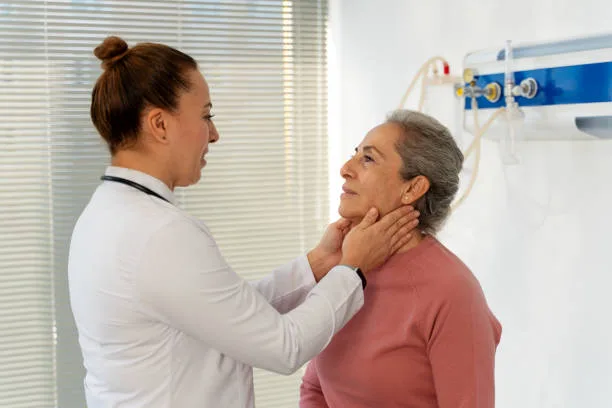
At UrgiClinic, urgent care providers focus on identifying the cause quickly, relieving symptoms, and guiding next steps. This includes:
- Differentiating between simple infections and conditions needing specialist care
- Starting treatment promptly (antibiotics, anti-inflammatories, supportive care)
- Coordinating referrals to primary care, hematology, or oncology as needed
- Educating patients on monitoring lymph nodes at home
By addressing swelling early, urgent care can prevent complications and reduce anxiety while ensuring patients receive appropriate follow-up care.
Home Monitoring and Self-Care
While waiting for evaluation or follow-up, you can take steps to monitor and care for swollen lymph nodes:
- Keep a record – Note size, tenderness, location, and any accompanying symptoms.
- Apply warm compresses – For tender nodes, warmth can reduce discomfort.
- Rest and hydrate – Supporting your immune system helps fight infections.
- Avoid squeezing or massaging – This can worsen inflammation or cause irritation.
- Watch for changes – Rapid enlargement, increasing pain, or systemic symptoms should prompt urgent evaluation.
These measures help track progression and give providers useful information during visits.
When Persistent Swelling Requires Further Evaluation
If lymph nodes remain enlarged for more than 2–4 weeks, do not improve, or are associated with unexplained weight loss, night sweats, or fatigue, it’s important to follow up with a primary care provider or specialist. Persistent swelling can indicate conditions like autoimmune diseases or cancer that require ongoing management.
Urgent care can serve as the first step, catching concerning signs early and connecting patients with appropriate care.
Walk In With Us
Swollen lymph nodes are a common and often harmless symptom. Most resolve on their own once the underlying cause, typically an infection, is treated. However, persistent, painful, or unexplained swelling should never be ignored.
UrgiClinic provides a fast, accessible place to evaluate swollen lymph nodes without the stress of waiting weeks for an appointment. Providers can identify treatable conditions, start therapy immediately, and ensure timely referral when necessary.
If you notice swollen lymph nodes that worry you, or if the swelling is persistent, painful, or accompanied by fever, night sweats, or other concerning symptoms, don’t wait. Walk into UrgiClinic today, quick assessment can provide clarity, relief, and peace of mind.