
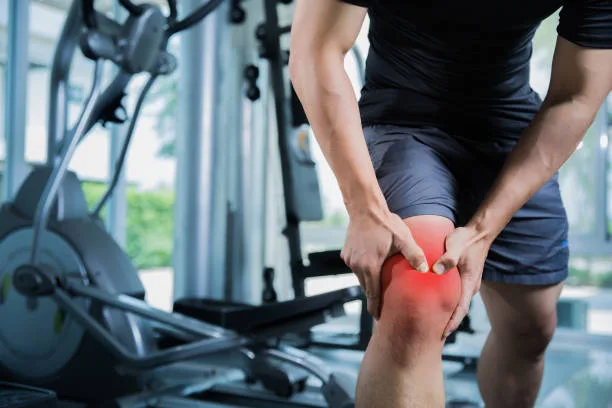
Knee injuries are one of the most common musculoskeletal problems affecting people of all ages. Because the knee is a complex joint that supports body weight and allows movement such as walking, running, bending, and jumping, it is especially vulnerable to injury. Knee injuries can happen suddenly during sports or accidents, or they can develop gradually due to overuse and wear and tear.
Understanding the causes of knee injuries and learning how to prevent them can help reduce pain, avoid long-term complications, and keep you active. Early evaluation and proper care are essential for protecting knee health and maintaining mobility.
Why Knee Injuries Are So Common
The knee joint connects the thigh bone (femur) to the shinbone (tibia) and is supported by ligaments, tendons, cartilage, and muscles. Because it absorbs significant impact during daily activities, it is particularly susceptible to injury.
According to the American Academy of Orthopaedic Surgeons, knee injuries are among the most frequently treated orthopedic conditions, especially in athletes and active adults.
Knee injuries are common due to:
- Weight-bearing demands
- Sudden twisting or pivoting movements
- High-impact activities
- Repetitive stress over time
Common Causes of Knee Injuries
Knee injuries can result from a wide range of activities and conditions. Understanding the most common causes can help reduce risk.
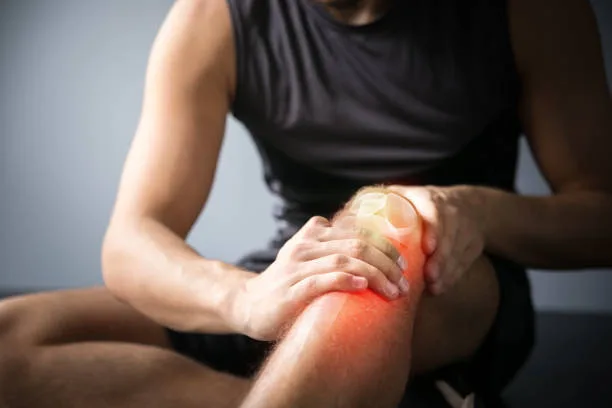
Sports and Physical Activity
Sports that involve running, jumping, sudden stops, or changes in direction increase the risk of knee injuries. Common examples include basketball, soccer, football, tennis, and running.
The National Institute of Arthritis and Musculoskeletal and Skin Diseases notes that sports-related knee injuries often involve ligaments, cartilage, or tendons.
Accidents and Trauma
Falls, car accidents, and direct blows to the knee can cause sudden and severe knee injuries, including fractures, ligament tears, and dislocations.
Overuse and Repetitive Motion
Repetitive movements can strain the knee joint over time. Overuse knee injuries are common in runners, cyclists, and individuals whose jobs require frequent kneeling or squatting.
Poor Body Mechanics and Technique
Improper posture, incorrect lifting techniques, or poor alignment during exercise can place excess stress on the knee joint, increasing the risk of injury.
Aging and Wear and Tear
As people age, cartilage naturally thins and joints become less flexible. This increases susceptibility to degenerative knee injuries such as osteoarthritis.
Excess Body Weight
Carrying extra weight places additional stress on the knees. The Centers for Disease Control and Prevention (CDC) explains that excess weight accelerates joint degeneration and contributes to chronic knee injuries.
Types of Knee Injuries
Knee injuries can range from mild to severe and may involve different structures within the joint.
Ligament Injuries
Ligament injuries occur when the knee is twisted or bent suddenly. Common ligament-related knee injuries include:
- ACL (anterior cruciate ligament) tears
- MCL (medial collateral ligament) injuries
- PCL (posterior cruciate ligament) injuries
Meniscus Tears
The meniscus is a piece of cartilage that cushions the knee. Sudden twisting or deep squatting can tear the meniscus, leading to pain, swelling, and limited movement.
Tendon Injuries
Tendon injuries affect the tissues that connect muscles to bones. Patellar tendonitis is a common overuse-related knee injury, especially in athletes.
Fractures
A direct impact or fall can cause fractures of the kneecap (patella) or surrounding bones, resulting in severe pain and swelling.
Bursitis
Bursitis occurs when fluid-filled sacs around the knee become inflamed due to repeated pressure or kneeling.
Symptoms of Knee Injuries
Symptoms of knee injuries vary depending on severity and cause but often include:
- Pain or tenderness
- Swelling or stiffness
- Limited range of motion
- Difficulty walking or bearing weight
- Popping or clicking sensations
- Knee instability or weakness
Some knee injuries may initially seem mild but worsen over time if left untreated.
How Knee Injuries Are Diagnosed
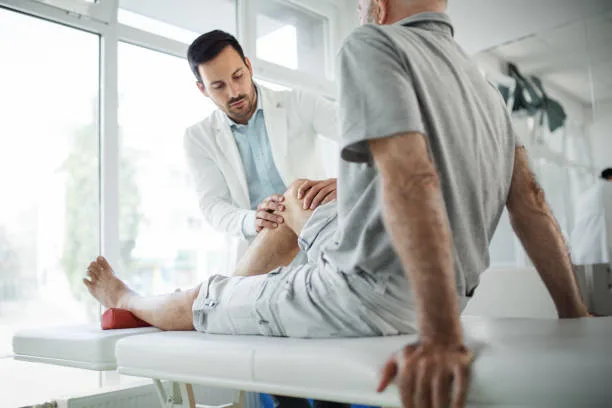
Diagnosing knee injuries starts with a medical evaluation and physical examination. A healthcare provider will assess:
- Pain location and severity
- Swelling and stability
- Range of motion
- Injury history and activity level
Imaging studies such as X-rays may be used to rule out fractures, while other tests help determine the extent of soft tissue damage.
Early diagnosis is key to preventing further damage and long-term knee problems.
Treatment Options for Knee Injuries
Treatment depends on the type and severity of the knee injury. Many cases can be managed with conservative care.
Common treatment approaches include:
- Rest and activity modification to reduce stress on the knee
- Ice therapy to reduce swelling and pain
- Compression and elevation to support healing
- Over-the-counter pain relievers, as directed by a healthcare provider
- Physical therapy to strengthen muscles and improve flexibility
According to the Mayo Clinic’s knee pain treatment guidance, early treatment often prevents worsening injury.
When to Seek Urgent Care for Knee Injuries
Urgent care can evaluate many knee injuries quickly and effectively.
Consider visiting urgent care if:
- Pain persists for several days
- Swelling does not improve
- Walking becomes difficult
- Knee movement is limited
- Injury occurs during sports or exercise
Early evaluation can prevent chronic knee injuries and prolonged recovery.
When to Go to the Emergency Room for Knee Injuries
Some knee injuries require immediate emergency care.
Go to the ER if you experience:
- Severe pain following trauma
- Inability to move or bear weight
- Visible deformity of the knee
- Numbness or loss of sensation
- Rapidly increasing swelling
- Open wounds or heavy bleeding
The American College of Emergency Physicians advises seeking emergency care for injuries involving loss of function or severe pain.
Prevention: How to Reduce the Risk of Knee Injuries
Preventing knee injuries involves strengthening, proper technique, and lifestyle adjustments.
Effective prevention strategies include:
- Warming up before exercise
- Stretching to improve flexibility
- Strengthening muscles around the knee, especially quadriceps and hamstrings
- Wearing supportive footwear
- Maintaining a healthy weight
- Using proper form during sports and lifting
- Taking breaks from repetitive activities
The American Academy of Family Physicians emphasizes that strengthening and flexibility play a critical role in preventing knee injuries.
Recovery and Long-Term Knee Health
Recovery from knee injuries depends on injury severity, treatment, and adherence to care recommendations.
- Mild knee injuries may heal within weeks
- Moderate injuries may require rehabilitation
- Severe injuries can take months to recover fully
Ignoring knee pain or returning to activity too soon increases the risk of reinjury and chronic knee problems.
Walk-In Care for Knee Injuries
If knee pain or swelling is limiting your mobility, UrgiClinic Urgent Care is here to help. Our experienced medical providers can evaluate knee injuries, provide treatment recommendations, and help you recover safely.
Don’t let knee injuries keep you from moving comfortably. Walk in today for expert care, personalized treatment, and peace of mind.