
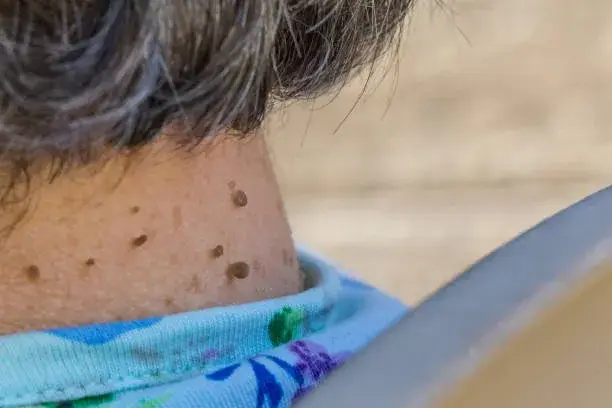
Skin tags are one of the most common types of benign skin growths. While they are harmless, they can sometimes become bothersome, especially if they are located in areas where clothing or jewelry causes irritation. Many people develop skin tags as they age, and while they are not dangerous, understanding what causes them and how they can be treated is helpful for maintaining skin health.
According to the American Academy of Dermatology, skin tags are extremely common and typically do not require treatment unless they cause discomfort or cosmetic concerns.
What Are Skin Tags?
Skin tags, also known as acrochordons, are small, soft growths that hang off the skin. They are made up of collagen fibers, blood vessels, and skin tissue.
They often appear in areas where skin rubs together, such as:
- Neck
- Armpits
- Eyelids
- Groin area
- Under the breasts
They are noncancerous and usually painless.
Why Do Skin Tags Develop?
Skin tags tend to form due to repeated friction or irritation on the skin. While the exact cause is not always clear, several factors increase the likelihood of developing them.
Common contributing factors include:
- Frequent skin friction
- Weight gain or obesity
- Hormonal changes, especially during pregnancy
- Insulin resistance or diabetes
- Genetic predisposition
The Cleveland Clinic notes that people with metabolic conditions may be more prone to developing multiple skin tags.
Symptoms and Identification
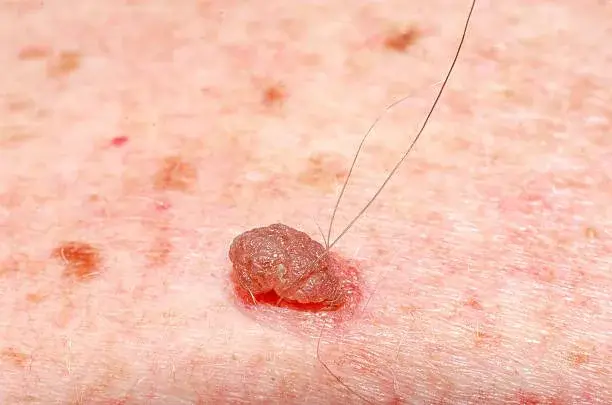
Skin tags symptoms are typically easy to identify.
They may:
- Be small and soft to the touch
- Hang from the skin by a thin stalk
- Match your skin tone or appear slightly darker
- Become irritated if rubbed
While they are usually harmless, irritation can cause discomfort.
Treatment Options
Most skin tags do not require treatment. However, removal may be recommended if they become bothersome.
Medical removal methods include:
- Freezing (cryotherapy)
- Burning (cauterization)
- Cutting with sterile instruments
It is important to avoid removing skin tags at home, as improper removal can lead to infection or bleeding.
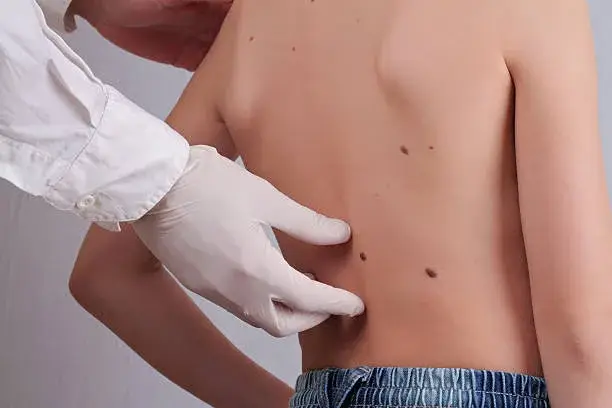
When to Seek Medical Care
You should seek medical attention if:
- A growth changes in size or color
- It becomes painful or starts bleeding
- You are unsure if it is a skin tag
A professional evaluation ensures accurate diagnosis and safe treatment.
Walk-In With Us
If a skin tag is causing irritation or concern, UrgiClinic Urgent Care can provide quick evaluation and safe removal options.
Walk in today for convenient, same-day care.