
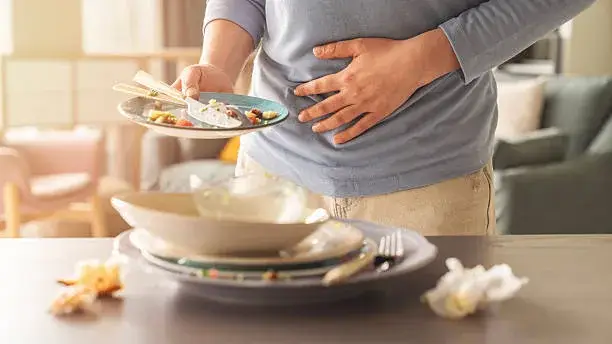
Food poisoning is a common but often underestimated illness that can affect anyone after consuming contaminated food or beverages. It can occur at home, at social gatherings, or when dining out. While many cases are mild and resolve on their own, others can become serious, especially when dehydration or prolonged symptoms develop.
According to the U.S. Food and Drug Administration, millions of people experience foodborne illness each year. Understanding the causes, symptoms, and proper response can help you recover faster and avoid complications.
What Causes Food Poisoning?
Food poisoning occurs when harmful microorganisms contaminate food or drinks. These can include bacteria, viruses, parasites, or toxins produced by these organisms.
Common causes include:
- Bacteria such as Salmonella, E. coli, and Listeria
- Viruses like norovirus, which spreads easily through contaminated food or surfaces
- Parasites found in undercooked or raw foods
- Toxins that develop when food is not stored properly
Contamination can happen at any stage—during production, transportation, storage, or preparation. Even food that looks fresh can carry harmful pathogens.
Common Sources of Food Poisoning
- Undercooked or raw meat, poultry, and seafood
- Eggs that are raw or lightly cooked
- Unwashed fruits and vegetables
- Unpasteurized dairy products
- Food left at room temperature for too long
- Cross-contamination between raw and cooked foods
Poor hygiene, such as not washing hands before handling food, is another major contributor.
Symptoms of Food Poisoning
Food poisoning symptoms can appear within hours or take a few days to develop, depending on the cause. They may range from mild discomfort to severe illness.
Common Symptoms Include:
- Nausea
- Vomiting
- Diarrhea (watery or bloody)
- Stomach cramps or abdominal pain
- Fever
- Fatigue or weakness

Most cases last from a few hours to several days. However, the severity and duration can vary depending on the type of contamination and the individual’s overall health.
What to Do When Food Poisoning Happens
If you suspect food poisoning, taking immediate and appropriate steps can help manage symptoms and prevent complications.
Stay Hydrated
Hydration is the most important step. Vomiting and diarrhea can quickly lead to fluid loss.
- Drink small sips of water frequently
- Use oral rehydration solutions or electrolyte drinks if available
- Avoid sugary or caffeinated beverages initially
Rest and Recover
Your body needs time to fight off the infection.
- Get plenty of rest
- Avoid strenuous activities
- Allow your digestive system to settle
Reintroduce Food Slowly
Avoid solid food while actively vomiting. Once symptoms improve, gradually add bland foods such as:
- Rice
- Toast
- Bananas
- Crackers
- Boiled potatoes
Avoid Irritating Foods and Drinks
To prevent worsening symptoms, avoid:
- Fatty or fried foods
- Spicy dishes
- Dairy products (if they trigger discomfort)
- Alcohol and caffeine
Maintaining proper hygiene during recovery is also essential to avoid spreading illness to others.
When Symptoms Become Serious
Although many cases resolve at home, certain symptoms require medical attention.
Seek Medical Care If You Experience:
- Signs of dehydration (dry mouth, dizziness, low urine output)
- Persistent vomiting that prevents fluid intake
- High fever (above 101.5°F or 38.6°C)
- Blood in stool or vomit
- Severe abdominal pain
- Symptoms lasting more than a few days
The World Health Organization emphasizes the importance of early medical care in preventing complications, particularly for vulnerable individuals.
Who Is Most at Risk?
Some groups are more likely to develop severe symptoms or complications from food poisoning:
- Young children
- Older adults
- Pregnant individuals
- People with weakened immune systems or chronic illnesses
For these individuals, even mild symptoms should be monitored closely.
Preventing Food Poisoning
Food poisoning prevention is the best way to avoid the discomfort and risks associated with food poisoning. Safe food handling practices can significantly reduce your chances of getting sick.
Key Prevention Tips:
- Cook food thoroughly
Ensure meats and seafood reach safe internal temperatures - Wash hands and surfaces often
Use soap and water before and after handling food - Store food properly
Refrigerate perishable items promptly - Avoid cross-contamination
Use separate utensils and cutting boards for raw and cooked foods - Wash produce thoroughly
Rinse fruits and vegetables before eating or cooking - Check expiration dates
Avoid consuming expired or spoiled food - Be cautious when eating out
Choose clean and reputable establishments
Recovery and Returning to Normal
Most people recover fully within a few days. As symptoms improve:
- Gradually return to your normal diet
- Continue drinking fluids
- Pay attention to how your body responds to different foods
If symptoms return or worsen, it may be a sign that further medical evaluation is needed.
Walk-In With Us
Food poisoning can disrupt your day and affect your overall well-being—but you don’t have to manage it alone.
If your symptoms are severe, persistent, or concerning, UrgiClinic Urgent Care offers fast evaluation and treatment to help you recover safely. Our team can assess your condition, provide hydration support, and recommend the right care for your needs.
Walk in today for quick, reliable care, no appointment required.