
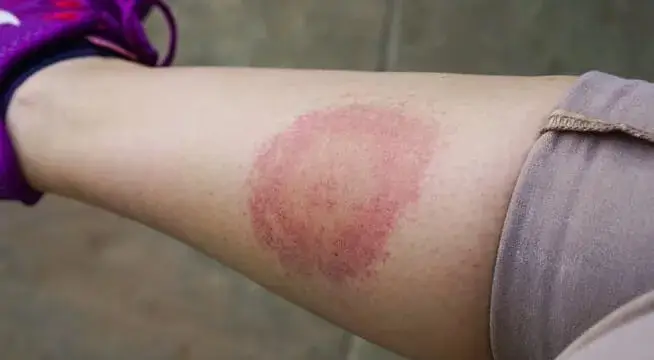
Bug bites are one of the most common skin concerns treated in urgent care clinics, especially during warm weather or in areas where insects are more active. Most bug bites are harmless and resolve on their own, but some can cause allergic reactions, skin infections, or more serious symptoms that require medical evaluation.
If you are experiencing severe allergic reactions such as difficulty breathing, swelling of the face or throat, or other signs of a medical emergency, you should call emergency services or go to the nearest emergency room immediately.
For non-emergency skin concerns, our providers can evaluate symptoms through What We Treat.
What Are Bug Bites?
Bug bites occur when insects or arachnids puncture or irritate the skin, often while feeding or defending themselves. The body reacts to the insect’s saliva or venom, which can lead to redness, swelling, itching, or discomfort.
According to the Centers for Disease Control and Prevention (CDC), most insect bites are mild, but some may carry disease risks or trigger allergic reactions depending on the insect type and individual sensitivity.
Common insects that cause bites include:
- Mosquitoes
- Fleas
- Bed bugs
- Ticks
- Spiders
- Ants
Common Causes of Bug Bites
Bug bites typically occur in environments where insects are active or living nearby.
Outdoor Exposure
Spending time outside near grass, water, or wooded areas increases exposure to biting insects like mosquitoes and ticks.
Indoor Infestations
Bed bugs, fleas, and ants can live indoors in bedding, furniture, or carpets and bite during rest or sleep.
Seasonal Activity
Warm, humid weather increases insect activity, making bug bites more common in spring and summer.
Travel Exposure
Traveling to tropical or rural regions may increase exposure to insects not commonly found in your local environment.
Types of Bug Bites
Different insects cause different reactions in the skin.
Mosquito Bites
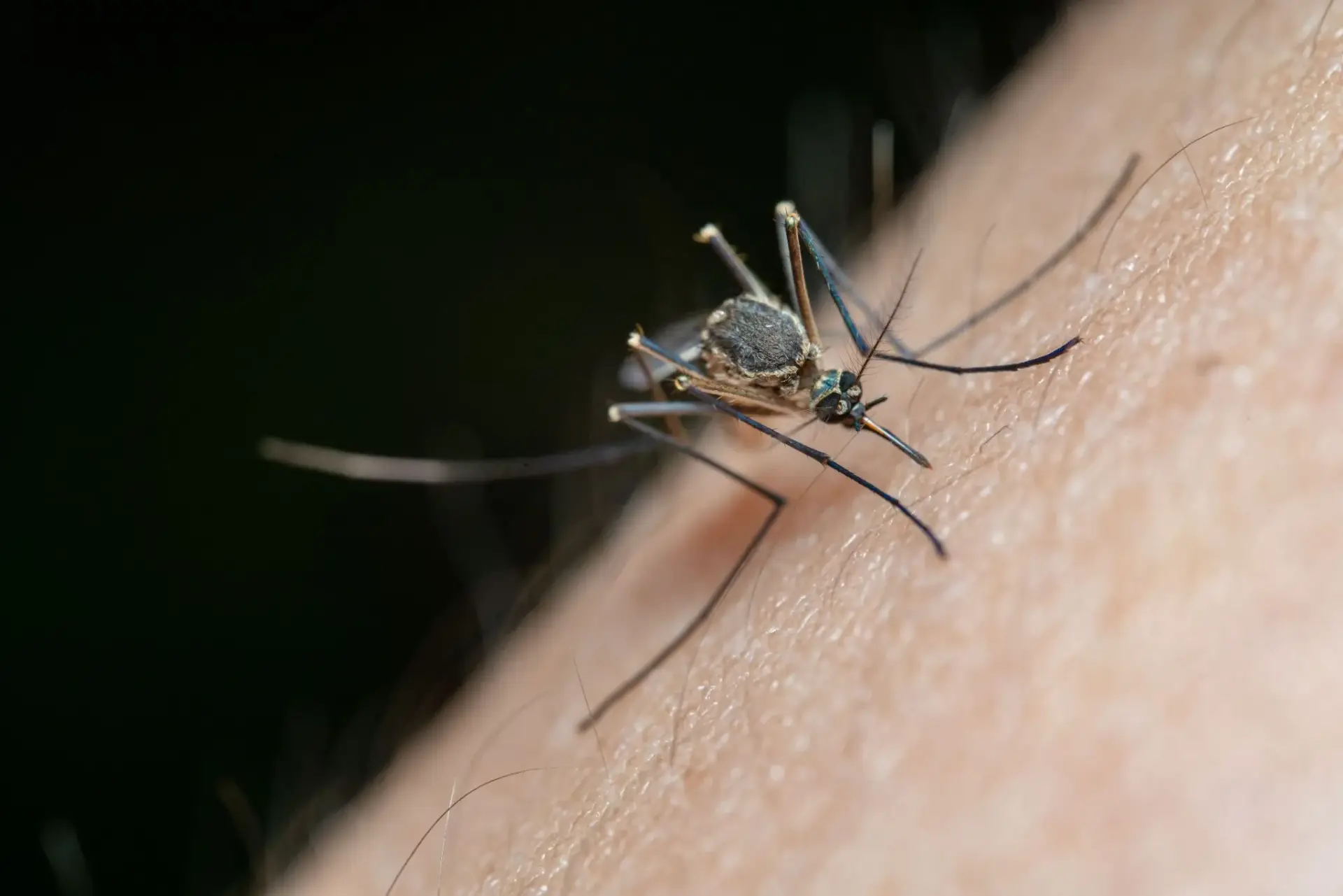
Small, raised, itchy bumps that are usually harmless but can occasionally transmit infections in certain regions.
Bed Bug Bites
Often appear in clusters or lines and commonly affect exposed skin during sleep.
Flea Bites
Small, red, very itchy bumps typically found around the ankles or legs.
Tick Bites
Ticks attach to the skin and can transmit infections. This highlights the importance of early tick removal due to the risk of Lyme disease and other illnesses.
Spider Bites
Most are mild, but some may cause pain, swelling, or skin irritation depending on the species.
Symptoms of Bug Bites
Most bug bites cause mild and temporary symptoms such as:
- Redness
- Swelling
- Itching
- Mild pain or tenderness
- Small bump or welt
More concerning symptoms may include:
- Increasing redness or swelling
- Blistering
- Severe itching or pain
- Signs of infection (pus, warmth, spreading redness)
- Fever or fatigue
If symptoms worsen instead of improving, medical evaluation is recommended.
When Bug Bites Become a Concern
Bug bites can sometimes lead to complications such as infection or allergic reactions.
You should seek medical care if you experience:
- Signs of infection such as pus or spreading redness
- Fever after a bite
- Significant swelling or worsening pain
- A tick that cannot be fully removed
- A rash that spreads or does not improve
- Allergic reactions such as hives or swelling (non-breathing related)
Important: If you experience severe allergic reactions such as difficulty breathing, swelling of the face or throat, chest tightness, or dizziness, this is a medical emergency. Call emergency services or go to the nearest emergency room immediately.
How Bug Bites Are Diagnosed
Diagnosis is usually straightforward and based on a physical examination.
A provider will assess:
- Appearance of the bite
- Symptom severity
- Possible exposure history
- Recent outdoor activity or travel
Most cases do not require lab testing unless infection or disease transmission is suspected.
Treatment for Bug Bites
Treatment depends on severity.
Mild Cases
Most bug bites improve with:
- Cold compresses
- Anti-itch creams
- Oral antihistamines
- Keeping the area clean
Moderate Cases
Medical treatment may include:
- Prescription-strength creams
- Antibiotics for infection
- Oral antihistamines
Home Care Tips
To relieve discomfort at home:
- Avoid scratching
- Apply cold compresses
- Use hydrocortisone cream
- Keep the bite area clean and dry
- Take antihistamines if needed
How to Prevent Bug Bites
Prevention strategies include:
- Using insect repellent (DEET or picaridin)
- Wearing long sleeves and pants outdoors
- Avoiding peak mosquito activity (dawn and dusk)
- Keeping indoor spaces clean and pest-free
- Checking for ticks after outdoor activity
When to Visit Urgent Care
Visit UrgiClinic if you experience:
- Worsening swelling or redness
- Signs of infection
- Persistent itching or pain
- Fever after a bite
- Allergic skin reactions (non-emergency cases only)
If symptoms are severe or life-threatening, go directly to the emergency room.
Walk-In Care for Bug Bites
If you are dealing with persistent itching, irritation, or a concerning but non-emergency skin reaction, UrgiClinic Urgent Care is here to help. Our providers can evaluate symptoms, treat infections, and recommend relief options. You can reduce wait time by using Check-In Now. For more information about services, visit What We Treat.