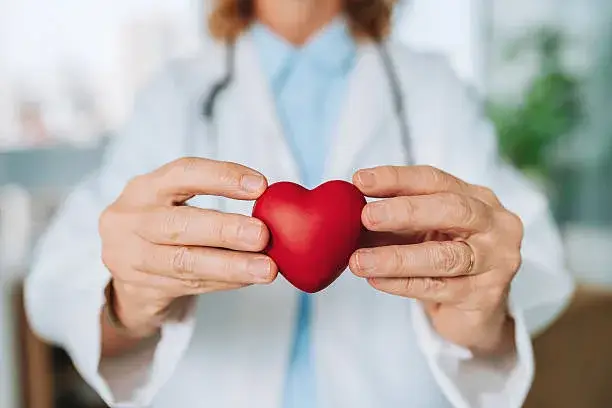
Cardiovascular health plays a central role in overall well-being. The heart and blood vessels work continuously to deliver oxygen and nutrients throughout the body, and when this system is not functioning properly, it can affect nearly every organ.
Heart-related conditions often develop gradually over time due to lifestyle factors, genetics, and underlying health conditions. Many early signs are subtle, which is why understanding cardiovascular health, risk factors, and warning symptoms is essential for prevention and early intervention.
Serious symptoms such as chest pain, sudden shortness of breath, fainting, or signs of stroke should always be treated as emergencies. These require immediate evaluation at the nearest emergency room.
For non-emergency concerns such as mild symptoms, risk assessments, or general health questions, UrgiClinic can help guide evaluation through What We Treat.
What Is Cardiovascular Health?
Cardiovascular health refers to the condition of the heart and blood vessels, including how efficiently the heart pumps blood and how well arteries and veins circulate oxygen-rich blood throughout the body.
According to the American Heart Association, good cardiovascular health reduces the risk of heart disease, stroke, and other serious complications.
A healthy cardiovascular system means:
- The heart pumps efficiently
- Blood vessels remain flexible and clear
- Blood pressure stays within a healthy range
- Oxygen and nutrients are delivered effectively
Why Cardiovascular Health Matters
The cardiovascular system supports every organ in the body. When heart health declines, it can lead to serious conditions such as:
- Coronary artery disease
- Heart attack
- Stroke
- Heart failure
- Peripheral artery disease
Because these conditions often develop silently over time, prevention and early detection are critical.
Common Risk Factors for Poor Cardiovascular Health
Several factors can increase the risk of heart disease and related conditions.
High Blood Pressure
High blood pressure forces the heart to work harder, increasing strain on arteries and the heart muscle.
Having High Cholesterol
Excess cholesterol can build up in artery walls, leading to narrowing and reduced blood flow.
Smoking
Smoking damages blood vessels and reduces oxygen supply in the blood.
Diabetes
Uncontrolled blood sugar levels can damage blood vessels and increase cardiovascular risk.
Obesity
Excess weight places additional strain on the heart and is linked to higher risk of heart disease.
Physical Inactivity
Lack of exercise can weaken the heart and contribute to poor circulation.
The Centers for Disease Control and Prevention (CDC) identifies these as major contributors to cardiovascular disease in adults.
Warning Signs of Cardiovascular Problems
Symptoms of heart-related issues can vary, but common warning signs include:
- Chest pain or pressure
- Shortness of breath
- Fatigue or weakness
- Dizziness or lightheadedness
- Swelling in legs or ankles
- Irregular heartbeat
More serious symptoms that require emergency care include:
- Sudden chest pain that spreads to arm, jaw, or back
- Severe shortness of breath
- Loss of consciousness
- Signs of stroke (face drooping, arm weakness, speech difficulty)
These symptoms should be treated immediately at an emergency room.
How Cardiovascular Conditions Are Diagnosed

Diagnosis typically involves a combination of medical history, physical examination, and testing.
Healthcare providers may evaluate:
- Blood pressure
- Cholesterol levels
- Blood sugar levels
- Heart rhythm
- Family history of heart disease
Common diagnostic tests include:
- Electrocardiogram (ECG/EKG)
- Blood tests
- Stress testing
- Echocardiogram
- Imaging studies if needed
Early detection plays a major role in preventing complications.
Healthy Lifestyle Habits for Heart Health
Maintaining cardiovascular health often depends on daily habits.
Eat a Heart-Healthy Diet
A balanced diet can support heart function and reduce risk factors. Focus on:
- Fruits and vegetables
- Whole grains
- Lean proteins
- Healthy fats (such as olive oil and nuts)
Stay Physically Active
Regular exercise strengthens the heart and improves circulation. Activities like walking, swimming, or cycling are beneficial.
Maintain a Healthy Weight
Weight management reduces strain on the heart and improves blood pressure control.
Avoid Smoking
Quitting smoking significantly improves heart and blood vessel health.
Manage Stress
Chronic stress can contribute to high blood pressure and unhealthy habits.

Medical Management of Heart Health
Some individuals may require medical treatment to manage cardiovascular risk factors.
This may include:
- Blood pressure medications
- Cholesterol-lowering medications
- Diabetes management
- Lifestyle counseling
- Regular monitoring
The National Heart, Lung, and Blood Institute (NHLBI) emphasizes that combining medical treatment with lifestyle changes provides the best outcomes for heart health.
When to Seek Medical Care
You should seek medical evaluation if you experience:
- Persistent chest discomfort
- Shortness of breath with activity
- Frequent dizziness or fatigue
- Swelling in the lower extremities
- Irregular heartbeat sensations
- Concerns about heart disease risk factors
For urgent but non-emergency symptoms, UrgiClinic providers can help evaluate your condition and guide next steps. You can also reduce wait time using Check-In Now.
Preventing Cardiovascular Disease
Prevention is the most effective way to protect heart health. Key strategies include:
- Regular exercise
- Balanced diet
- Routine health screenings
- Blood pressure and cholesterol monitoring
- Stress management
- Avoiding tobacco use
Small daily choices can significantly reduce long-term risk.
Walk-In Care for Cardiovascular Concerns
While serious cardiac symptoms require emergency care, many related concerns can be evaluated in an urgent care setting when symptoms are mild or non-life-threatening.
UrgiClinic can help assess symptoms, check vital signs, and guide patients toward appropriate follow-up care when needed. For more information, visit Medical Assistance or check in online.
If you experience severe chest pain, signs of stroke, or sudden shortness of breath, seek emergency medical care immediately. Early attention to cardiovascular health can make a significant difference in long-term wellness and prevention.