
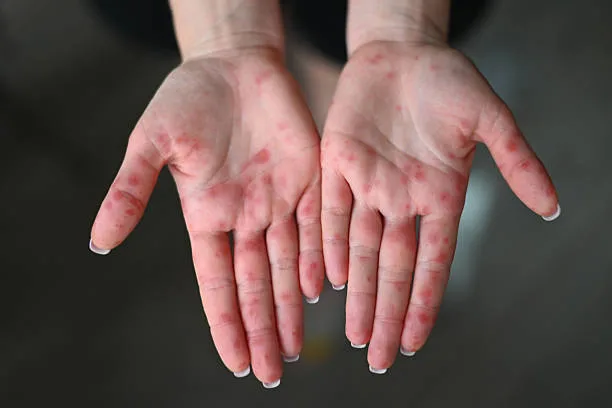
Hand, foot, and mouth disease (HFMD) is often associated with young children. However, adults can get it too.
Although HFMD is usually mild, it can cause uncomfortable mouth sores, skin rashes, fever, and other symptoms. Adults may also spread the infection to children and other people before realizing they are sick.
In this blog, we’ll explain how adults get hand, foot, and mouth disease, what symptoms to watch for, how it is treated, and when to see a healthcare provider.
What Is Hand, Foot, and Mouth Disease?
Hand, foot, and mouth disease is a contagious viral infection. It is most common in children younger than 5 years old, but older children and adults can also become infected.
HFMD is usually caused by viruses called enteroviruses. Coxsackievirus A16 is one of the most common causes.
Despite its name, HFMD is not the same illness as foot-and-mouth disease, which affects livestock.
Most people recover from HFMD within 7 to 10 days without serious complications.
Can Adults Get Hand, Foot, and Mouth Disease?
Yes. Adults can get HFMD, even though it is more common among young children.
Adults may become infected after close contact with an infected child, family member, coworker, or another person carrying the virus.
Some adults may have mild symptoms or no symptoms at all. Others can develop noticeable fever, sore throat, mouth sores, and a rash.
Because adults may not expect HFMD, the symptoms can sometimes be mistaken for other viral infections.
How Does HFMD Spread?
HFMD spreads easily from person to person.
The virus can be present in respiratory droplets and secretions, blister fluid, and stool. According to the CDC’s guidance on how HFMD spreads, people can become infected through close contact with an infected person or by touching contaminated surfaces and objects.
You can potentially spread the virus through:
- Coughing or sneezing
- Close personal contact
- Kissing or hugging
- Sharing cups, utensils, or other personal items
- Contact with fluid from blisters
- Contact with infected stool
The virus can spread particularly easily in households, schools, daycare centers, and other places where people are in close contact.
What Are the Symptoms of HFMD in Adults?
Symptoms can vary from person to person. Some adults may experience only a few symptoms.
Common symptoms include:
- Fever
- Sore throat
- Reduced appetite
- Feeling tired or generally unwell
- Painful mouth sores
- Small red spots or blisters on the hands and feet
- Rash on other areas of the body
Mouth sores may appear inside the cheeks, gums, tongue, or other parts of the mouth. They can make eating and drinking uncomfortable.
The rash can develop on the palms of the hands and soles of the feet. It may also appear on the knees, elbows, buttocks, or other areas.
According to the CDC’s overview of HFMD symptoms, symptoms commonly begin with fever, sore throat, and loss of appetite before mouth sores and a skin rash develop.
What Causes Hand, Foot, and Mouth Disease?
HFMD is caused by enteroviruses.
These viruses are highly contagious and can spread through close contact with an infected person.
You may be more likely to encounter HFMD if you live with young children, work in childcare, or regularly spend time around infected people.
The infection can spread even when someone does not appear seriously ill.
This is one reason good hygiene is important when someone in your household or workplace has HFMD.
How Is HFMD Diagnosed?
Healthcare providers can often diagnose HFMD based on symptoms and a physical examination.
Your provider may look at the rash, examine the mouth sores, and ask about recent contact with someone who has been sick.
Testing is not always necessary.
Because several illnesses can cause fever, mouth sores, or a rash, medical evaluation can help determine whether HFMD is the likely cause.
If you are unsure whether your symptoms are related to HFMD, a healthcare provider can help rule out other infections and conditions.
How Is Hand, Foot, and Mouth Disease Treated?
There is no specific medication that cures HFMD. Since it is caused by a virus, antibiotics do not treat the infection.
Treatment generally focuses on relieving symptoms while your body fights the virus.
1. Drink Plenty of Fluids

Mouth sores can make drinking uncomfortable. However, staying hydrated is important, especially if you have a fever.
Choose cool or room-temperature drinks if they feel more comfortable. Avoid acidic or spicy beverages if they irritate your mouth.
2. Manage Fever and Pain
Over-the-counter medications such as acetaminophen or ibuprofen may help reduce fever and relieve pain when appropriate.
Always follow the product directions and consider your existing health conditions or medications before taking any medicine.
3. Choose Soft Foods
If mouth sores make eating painful, choose softer foods that are easier to swallow.
Options may include yogurt, oatmeal, soup, mashed foods, or other foods that do not irritate your mouth.
Avoid spicy, salty, or acidic foods if they increase discomfort.
4. Get Plenty of Rest
Your body needs time to recover from the infection.
Getting enough sleep and reducing strenuous activity while you are feeling unwell can support your recovery.
How Long Does HFMD Last in Adults?
Most people recover from HFMD within about 7 to 10 days.
Symptoms usually improve gradually as the infection runs its course.
However, the virus can remain in stool for several weeks after symptoms disappear. The CDC recommends careful handwashing after using the bathroom or changing diapers to help reduce the risk of spreading the virus.
You should also avoid sharing personal items and regularly clean commonly touched surfaces.
How Can Adults Prevent HFMD?
There is no routine vaccine available to prevent HFMD.
Instead, prevention focuses on reducing exposure and practicing good hygiene.
You can lower your risk by:
- Washing your hands regularly with soap and water
- Avoiding close contact with people who are sick
- Not sharing cups, utensils, or personal items
- Cleaning frequently touched surfaces
- Avoiding touching your eyes, nose, and mouth with unwashed hands
- Washing your hands after using the bathroom
If someone in your household has HFMD, be especially careful with hand hygiene and cleaning.
The CDC’s HFMD prevention recommendations provide additional steps for limiting the spread of infection.
When Should You See a Doctor?
Most adults with HFMD recover without complications. However, medical evaluation may be appropriate if symptoms are severe, persistent, or concerning.
See a healthcare provider if:
- You cannot drink enough fluids
- You have signs of dehydration
- Your fever is persistent or worsening
- Your symptoms are severe
- Your symptoms do not improve after about 10 days
- You are concerned about your symptoms or diagnosis

Severe dehydration can require medical treatment, particularly when painful mouth sores make drinking difficult.
If you experience confusion, severe weakness, difficulty breathing, or another serious symptom, seek urgent medical attention.
Is HFMD the Same as a Cold or Flu?
HFMD can initially resemble other viral illnesses.
Fever, sore throat, fatigue, and reduced appetite can occur with many infections. However, painful mouth sores combined with a characteristic hand or foot rash can point toward HFMD.
If you’re unsure whether you’re dealing with HFMD, the flu, a cold, or another infection, professional evaluation can help.
You can also learn more about common respiratory symptoms in UrgiClinic’s Cold, Flu, or Allergies? Symptoms and Treatment guide.
Protect Yourself and Others From HFMD
Adults can absolutely get hand, foot, and mouth disease. While the infection is usually mild, its symptoms can be uncomfortable and highly contagious.
Good hygiene is one of the best ways to reduce transmission. Wash your hands regularly, avoid sharing personal items, clean commonly touched surfaces, and limit close contact with people who are sick.
Most importantly, pay attention to your symptoms. Getting evaluated can help you understand what may be causing your illness and how to manage it.
For more information about preventing infections, explore UrgiClinic’s Infectious Diseases and Prevention resources.
Visit UrgiClinic Urgent Care for Prompt Care
If you develop fever, mouth sores, a rash, or other symptoms that concern you, UrgiClinic Urgent Care can help evaluate your condition.
Our healthcare professionals can assess your symptoms, provide appropriate treatment recommendations, and help determine whether further medical care is needed.
Don’t ignore symptoms that are severe, worsening, or interfering with your ability to stay hydrated.
Visit UrgiClinic Urgent Care for convenient, prompt care when you need it.