
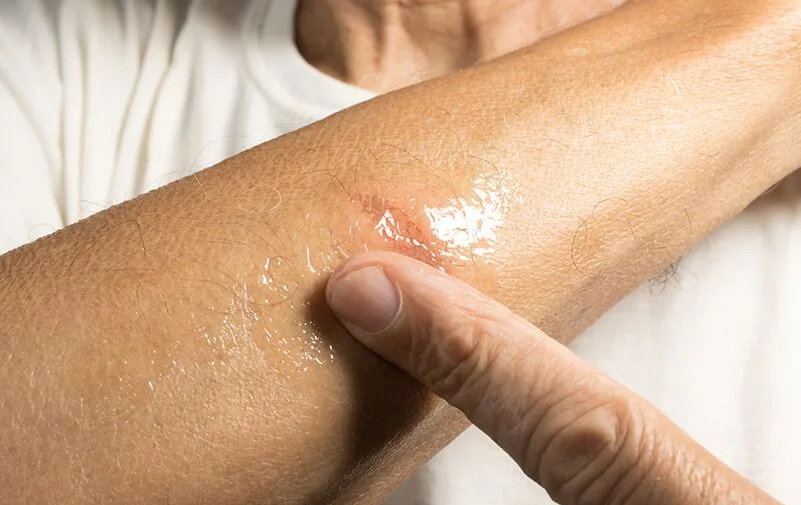
Minor burns and scalds are among the most frequent household injuries, often resulting from accidental contact with hot cookware, boiling liquids, steam, or even excessive sun exposure.
While these burns may not always be severe, they can still cause significant discomfort, redness, and irritation. If not treated properly, even a minor burn can lead to infection, prolonged pain, and scarring.
Understanding the difference between burns and scalds, recognizing their severity, and applying the right first aid measures can speed up recovery and reduce the risk of complications. Whether it’s a kitchen mishap, a curling iron slip, or an accidental spill of hot coffee, knowing how to respond quickly can make all the difference.
In this guide, we’ll walk you through effective treatment strategies, when to seek medical care, and essential prevention tips to keep yourself and your family safe from these common injuries.
Understanding Minor Burns and Scalds
- Burns are caused by direct contact with a heat source, such as a stove, open flame, or hot metal.
- Scalds result from exposure to hot liquids or steam, making them more common in kitchen accidents or when handling hot beverages.
Minor burns and scalds are typically classified as first-degree burns or superficial second-degree burns:
- First-degree burns affect only the outer layer of the skin (epidermis) and cause redness, mild swelling, and pain. Sunburn is a common example.
- Superficial second-degree burns reach the second layer of the skin (dermis), causing redness, blistering, and increased pain.
Understanding the severity of a burn is crucial in determining the appropriate treatment. Deeper second-degree burns or third-degree burns require immediate medical attention, as they can cause lasting tissue damage and increase the risk of complications.
Immediate First Aid for Minor Burns and Scalds
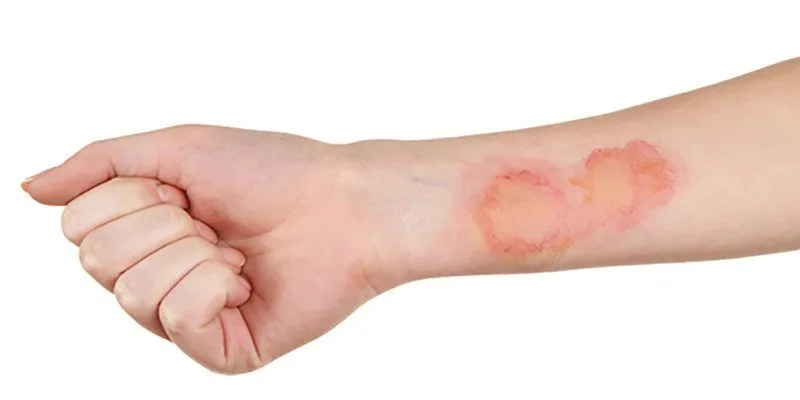
Proper first aid can significantly reduce pain and promote faster healing.
Follow these steps:
1.Cool the Burn ImmediatelyRun cool (not ice-cold) water over the affected area for at least 10-20 minutes. This helps reduce heat, prevent further skin damage, and relieve pain. If water is not available, a cool compress can be used. Never use ice, as it can further damage the skin and worsen the injury.
2.Remove Tight ItemsIf possible, gently remove rings, bracelets, or tight clothing before the area swells. However, avoid pulling off anything that is stuck to the burned skin, as this could cause more damage.
3.Avoid Ice and ButterDo not apply ice, butter, toothpaste, or oil-based substances to a burn. These can trap heat and worsen tissue damage, increasing the risk of infection.
4.Cover the BurnOnce cooled, loosely cover the burn with a sterile, non-stick bandage or clean cloth to protect it from infection and irritation. Do not wrap it too tightly, as this can cause additional pressure and discomfort.
5.Take Pain Relievers if NeededOver-the-counter pain medications like ibuprofen or acetaminophen can help reduce discomfort and swelling. If the pain persists or worsens, seek medical advice.
What Not to Do
- Do not pop blisters.If blisters form, they act as a natural barrier against infection. Popping them can slow healing and increase the risk of infection.
- Avoid exposing the burn to direct sunlight.Sunburned or burned skin is highly sensitive, and further exposure can worsen irritation and slow healing. Wear protective clothing or use a gentle sunscreen if necessary.
- Do not apply adhesive bandages directly to the burn.They can stick to the damaged skin and cause further pain when removed. Use non-stick dressings instead.
- Avoid using harsh antiseptics.While cleaning the burn is important, harsh antiseptics like hydrogen peroxide or alcohol can delay healing by damaging skin cells.
Home Remedies and Aftercare for Minor Burns
After initial first aid, proper aftercare is essential for faster recovery.
1.Apply a Healing OintmentA light layer of aloe vera gel or a fragrance-free moisturizing lotion can soothe the skin and promote healing. Antibiotic ointments like bacitracin can also help prevent infection. Avoid using petroleum jelly on fresh burns, as it can trap heat initially.
2.Keep the Area Moist and CleanGently wash the burn daily with mild soap and water to keep it clean. Avoid scrubbing the area as this can damage healing skin. Keeping the area moisturized with non-perfumed lotions can prevent excessive dryness and irritation.
3.Use Loose, Breathable ClothingCover the burn with soft, non-irritating fabrics to prevent further discomfort. Tight or rough clothing can cause friction and slow healing.
4.Monitor for InfectionIf the burn becomes increasingly red, swollen, warm, or de velops pus, this may indicate an infection requiring medical attention. Additional symptoms like fever or an unusual odor from the wound should not be ignored.
When to Seek Medical Help
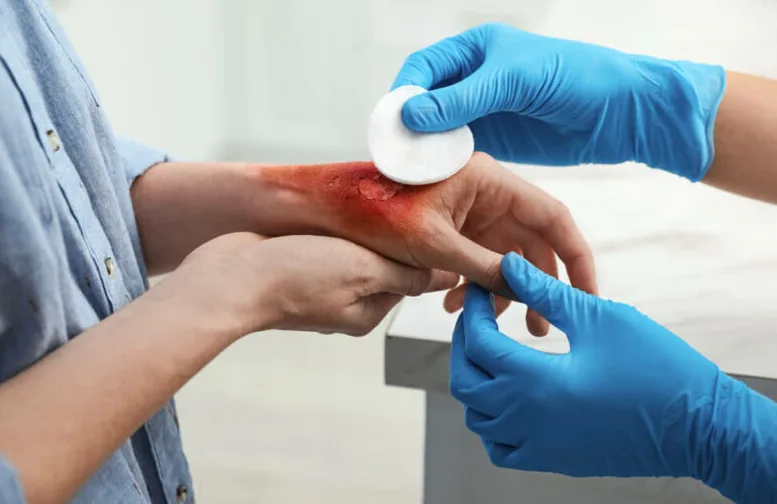
While minor burns usually heal on their own within a couple of weeks, some situations require professional care.
Visit an urgent care clinic if:
- The burn islarger than three inchesin diameter
- The burn is on asensitive area(face, hands, feet, joints, or genitals)
- Pain remainsseveredespite home treatment
- There aresigns of infection, such as increased redness, pus, or fever
- The burn was caused bychemical exposureorelectricity
Preventing Minor Burns and Scalds
Prevention is key to avoiding burn injuries. Here are some simple but effective safety measures:
- Be cautious in the kitchen:Use oven mitts, turn pot handles inward, and keep children away from hot surfaces.
- Test water temperature:Before bathing, always check the water temperature with your hand to avoid scalds. Set your water heater to a safe temperature (below 120°F) to prevent accidental burns.
- Practice safe sun exposure:Wear sunscreen and protective clothing to prevent sunburns.
- Keep electrical appliances out of children’s reach:Items like curling irons, space heaters, and hot kettles should be stored safely when not in use.
- Use childproof safety measures:Install stove guards, use kettle cord winders, and supervise young children around hot objects.
- Be mindful of fireworks and candles:Always supervise their use and keep them away from flammable materials.
Recovering from Minor Burns: What to Expect
Most minor burns heal within7-14 days, depending on the severity.
During recovery:
- The skin maypeel or itchas it regenerates. Avoid scratching to prevent scarring.
- Blisters, if present, shouldheal naturallywithin a week.
- Mild discoloration may remain for a few weeks but will gradually fade.
If scarring is a concern, applyingvitamin E oilorcocoa butterafter the burn has fully healed may help improve skin texture.Silicone gel sheetsare also effective in reducing scarring over time.
When to Visit UrgiClinic Urgent Care
If you’re unsure whether a burn needs medical attention, UrgiClinic Urgent Care is here to help. Our experienced team can assess your injury and provide the right treatment to prevent complications.
Visit us if:
- Your burn is not healing as expected
- You notice worsening pain, swelling, or pus
- You have a burn on the face, hands, or joints that affects movement
Walk-in With Us
Don’t ignore burn injuries—proper care can make all the difference in fast, safe healing. Walk in today with us at UgiClinic Urgent Care for expert care and peace of mind. Understanding how to treat minor burns and scalds ensures a speedy recovery and prevents unnecessary complications.