
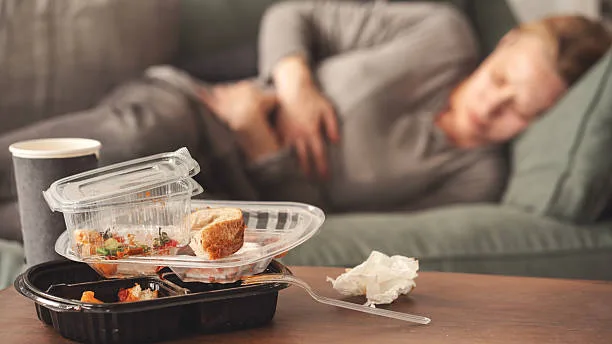
Food poisoning can happen after eating or drinking something contaminated with harmful bacteria, viruses, parasites, or toxins. It can cause uncomfortable digestive symptoms ranging from mild nausea to severe diarrhea and vomiting.
One of the most confusing things about food poisoning is how quickly symptoms appear. Some people start feeling sick within 30 minutes of eating contaminated food, while others may not experience symptoms for several days.
Understanding how long food poisoning takes to start can help you identify possible causes, recognize warning signs, and determine when medical attention is necessary. The timing depends on the type of germ responsible for the illness and how it affects your digestive system.
How Long After Eating Does Food Poisoning Start?
Food poisoning symptoms can develop within minutes, hours, or days after consuming contaminated food.
According to the Centers for Disease Control and Prevention (CDC), different foodborne germs have different incubation periods. This refers to the time between exposure to an infectious agent and the appearance of symptoms.
Some common examples include:
- Staphylococcus aureus: 30 minutes to 8 hours
- Clostridium perfringens: 6 to 24 hours
- Norovirus: 12 to 48 hours
- Salmonella: 6 hours to 6 days
- Campylobacter: 2 to 5 days
- E. coli: 3 to 4 days
- Listeria (invasive illness): Around 2 weeks
These timeframes are estimates and can vary depending on the infection.
This means the last meal you ate is not necessarily responsible for your symptoms. Something you consumed several days earlier could be the actual source.
What Are the First Signs of Food Poisoning?
The first symptoms of food poisoning often involve your digestive system. However, the specific symptoms depend on the contaminant.
Common signs include:
- Nausea
- Vomiting
- Stomach pain or cramps
- Diarrhea
- Fever
- Headache
- Body aches
- General weakness
Some people experience sudden vomiting and stomach cramps. Others develop diarrhea and fever several hours or days after exposure.
Symptoms may be mild, but certain infections can cause serious complications.

What Causes Food Poisoning Symptoms to Start at Different Times?
Different microorganisms affect the digestive system in different ways. Some produce toxins that cause symptoms quickly, while others need time to multiply or infect the body.
Staphylococcus aureus
This bacteria can produce toxins in food that has been improperly handled or stored. Symptoms may begin within 30 minutes to 8 hours.
Common symptoms include nausea, vomiting, stomach cramps, and diarrhea.
Salmonella
Salmonella is commonly associated with contaminated poultry, eggs, meat, and other foods.
Symptoms typically develop within 6 hours to 6 days. They may include fever, diarrhea, stomach cramps, and vomiting.
Norovirus
Norovirus can spread through contaminated food, water, surfaces, and close contact with infected individuals.
Symptoms usually appear within 12 to 48 hours. Vomiting, diarrhea, nausea, and stomach pain are common.
E. coli
Certain types of E. coli can cause severe stomach cramps and diarrhea, sometimes with blood.
Symptoms typically develop within 3 to 4 days after exposure.
The CDC’s guide to food poisoning symptoms and incubation periods provides more information about these infections.
How Long Does Food Poisoning Last?
Most mild cases of food poisoning improve within a few days. However, recovery time depends on the type of infection and the person’s overall health.
Some toxin-related illnesses resolve within 24 hours. Other infections may cause symptoms for a week or longer.
During recovery, preventing dehydration is especially important.
Vomiting and diarrhea cause your body to lose fluids and electrolytes. To support recovery:
- Drink water regularly.
- Consider oral rehydration solutions when appropriate.
- Eat small meals as tolerated.
- Avoid foods that worsen your symptoms.
- Get enough rest.
People who cannot keep fluids down may need medical evaluation and treatment for dehydration.
When Should You See a Doctor for Food Poisoning?
Not every case of food poisoning requires medical treatment. However, certain symptoms may indicate a serious infection or complication.
You should seek medical evaluation if you experience:
- Bloody diarrhea
- Diarrhea lasting more than three days
- Fever above 102°F
- Frequent vomiting that prevents you from keeping liquids down
- Severe or persistent abdominal pain
- Signs of dehydration
- Dizziness when standing
- Very little or no urination

The CDC identifies these symptoms as warning signs of severe food poisoning.
Young children, older adults, pregnant individuals, and people with weakened immune systems have a higher risk of serious complications.
They should seek medical advice promptly when food poisoning is suspected.
How Is Food Poisoning Diagnosed?
A healthcare provider will review your symptoms, medical history, and possible exposure to contaminated food.
Depending on your condition, diagnostic testing may include:
- Stool tests: Help identify certain bacteria, viruses, or parasites.
- Blood tests: May help evaluate complications or other possible infections.
- Additional testing: May be recommended when symptoms suggest a more serious condition.
Not everyone with food poisoning needs laboratory testing. Your provider will determine whether additional testing is appropriate.
How Can You Prevent Food Poisoning?
Safe food preparation and storage can significantly reduce your risk of foodborne illness.
Follow these precautions:
- Wash your hands before preparing or eating food.
- Cook meat, poultry, and seafood thoroughly.
- Wash fruits and vegetables before eating.
- Avoid unpasteurized milk and juices.
- Refrigerate perishable foods promptly.
- Keep raw meat separate from ready-to-eat foods.
- Clean food preparation surfaces regularly.
Proper food handling is especially important when preparing meals for young children, older adults, and pregnant individuals.
Don’t Ignore Severe Food Poisoning Symptoms
Food poisoning symptoms can develop within hours or take several days to appear. A delayed reaction does not necessarily mean the illness is unrelated to something you previously ate.
Pay attention to persistent vomiting, bloody diarrhea, high fever, and signs of dehydration.
If your symptoms are severe or getting worse, seek medical evaluation rather than waiting for them to resolve.
You can also read Food Poisoning: What to Do When It Happens for more information about managing foodborne illness.
For more information about similar digestive symptoms, explore Food Poisoning or a Stomach Bug: How to Tell the Difference.
Walk-In Care for Food Poisoning
Food poisoning can cause uncomfortable symptoms, including nausea, vomiting, diarrhea, and stomach pain. While many cases can be treated with urgent care, severe symptoms may require emergency medical attention.
At UrgiClinic Urgent Care, our providers can evaluate non-life-threatening food poisoning symptoms, assess for dehydration, and determine whether additional testing or treatment is needed.
Know where to go for care:
- Non-life-threatening symptoms: Visit UrgiClinic for prompt evaluation and treatment.
- Severe or life-threatening symptoms: Call 911 or go to the nearest emergency room (ER) immediately.
Don’t wait for symptoms to worsen. Walk in today for professional evaluation and care.