
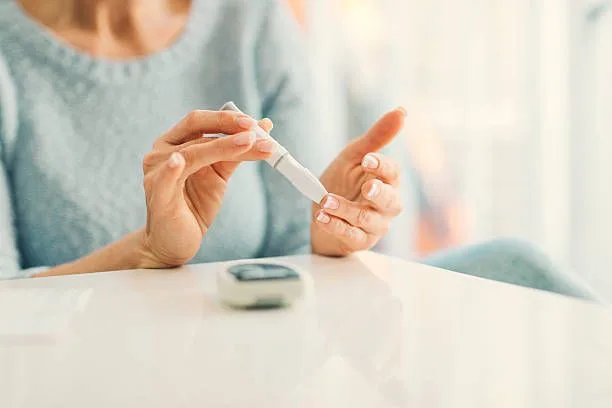
If you don’t currently have a primary care doctor, keeping track of your blood sugar can seem challenging. However, understanding your options is essential, especially if you have diabetes, prediabetes, or symptoms of unstable blood sugar.
Before diving in, it’s important to note:urgent carefocus on urgent medical needs that are non-life-threatening, such as sudden illness, infections, or injuries. For regular blood sugar monitoring or diabetes management, you’ll need to work with a primary care provider or specialist.
Why Blood Sugar Monitoring Matters
Blood sugar monitoring helps identify whether your body is managing glucose properly. According to the Centers for Disease Control and Prevention (CDC) , tracking your blood sugar levels can help detect problems early and prevent serious complications from diabetes.
If you don’t have a doctor right now, you can still learn how to monitor your blood sugar safely at home using FDA-approved tools.
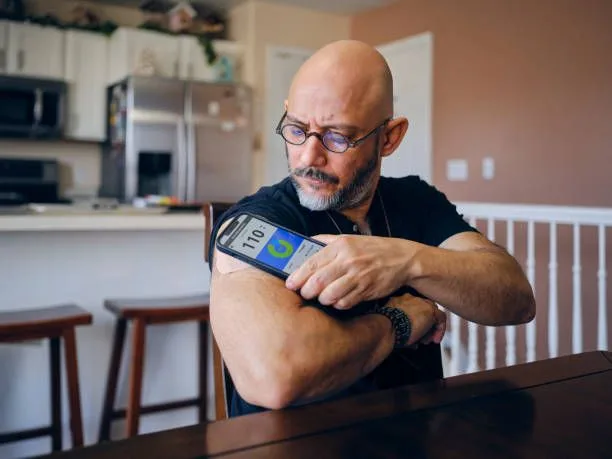
How to Check Your Blood Sugar at Home
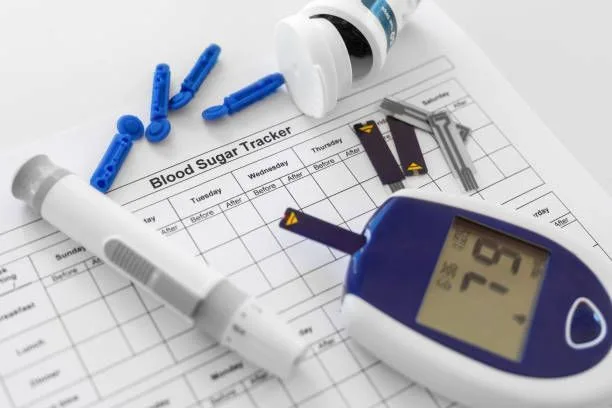
You can use ablood glucose meter (glucometer)to get a quick reading using a small drop of blood. The Cleveland Clinic explains that these devices are accurate when used correctly.
Here’s how:
- Wash and dry your hands.
- Insert a test strip into your glucose meter.
- Use a lancet device to prick the side of your fingertip.
- Touch the drop of blood to the strip.Record the reading and the time.
For most people without a chronic condition, these readings are just informational—not diagnostic.
If you see repeatedly high or low numbers, that’s when it’s time to contact a doctor for further testing.Urgent care can help only if you’re experiencing sudden symptoms that need prompt attention, such as dizziness, fainting, or confusion related to blood sugar levels.
When to See a Primary Doctor or Specialist
For ongoing monitoring and preventive management, you’ll need regular appointments with a primary care doctor or endocrinologist.
These providers can:
- Order lab tests like HbA1c, which measures your 3-month average blood sugar.
- Adjust medications for diabetes or prediabetes.
- Offer long-term treatment plans and dietary counseling.
Learn more about blood sugar targets from the American Diabetes Association .
Final Thoughts
Monitoring your blood sugar at home can help you stay aware of your health, but it’s not a replacement for medical care. If you have non emergency medical needs visit UrgiClinic Urgent Care for immediate evaluation.