
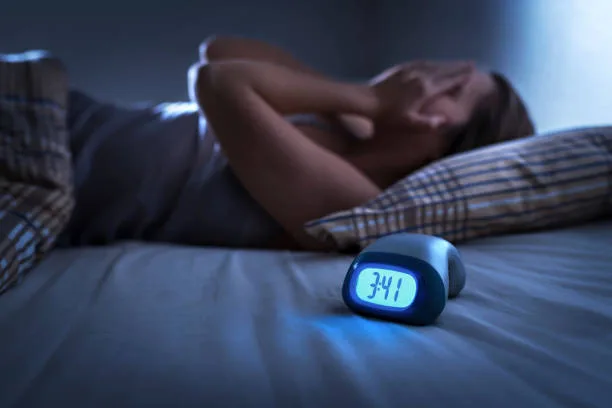
Sleep is essential for physical health, mental clarity, and overall well-being. Yet, millions of people routinely experience lack of sleep due to busy schedules, stress, or lifestyle choices. Over time, this chronic sleep deficit can have serious consequences for the body, mind, and safety.
Understanding the risks of lack of sleep, recognizing early warning signs, and adopting strategies for better rest are critical steps in maintaining health. This guide explores the dangers of insufficient sleep and how to protect your body from its harmful effects.
What Is Lack of Sleep?
Lack of sleep refers to consistently getting fewer hours of rest than the body needs. Most adults require 7–9 hours of sleep per night, according to the National Sleep Foundation. Falling short of this over time can disrupt bodily functions, impair cognitive abilities, and increase vulnerability to disease.
Common causes of lack of sleep include:
- Stress or anxiety
- Long work hours or shift work
- Sleep disorders such as insomnia or sleep apnea
- Poor sleep environment (noise, light, uncomfortable bedding)
- Lifestyle factors, such as excessive screen time before bed
The Physical Consequences of Lack of Sleep
Chronic lack of sleep can lead to a wide range of physical health problems, some of which are serious and long-term.
Cardiovascular Health Risks
Sleep deprivation increases the risk of:
- High blood pressure
- Heart disease
- Heart attacks
- Stroke
The American Heart Association notes that inadequate sleep contributes to inflammation, higher stress hormone levels, and irregular heart rhythms.
Immune System Impairment
Lack of sleep weakens the immune system, making the body more susceptible to infections such as colds, flu, and other viral illnesses. Even mild sleep deprivation can reduce the body’s ability to fight off pathogens.
Weight Gain and Metabolic Issues
Insufficient sleep affects hormones that regulate appetite, leading to:
- Increased hunger
- Cravings for high-calorie foods
- Higher risk of obesity
- Insulin resistance and type 2 diabetes
The Centers for Disease Control and Prevention (CDC) highlights the strong connection between sleep deprivation and metabolic disorders.
Hormonal Imbalance and Growth Impairment
Sleep is critical for hormone regulation, including:
- Growth hormone production
- Stress hormone (cortisol) regulation
- Reproductive hormones
Children, teenagers, and adolescents are especially vulnerable to lack of sleep, which can affect growth, puberty, and cognitive development.
Mental Health Effects of Lack of Sleep
Lack of sleep significantly affects cognitive function and emotional health. Chronic sleep deprivation can result in:

- Mood swings and irritability
- Anxiety and depression
- Decreased concentration and memory
- Impaired decision-making and problem-solving
- Reduced productivity and creativity
According to the Mayo Clinic, prolonged lack of sleep can exacerbate existing mental health conditions and increase susceptibility to stress.
Safety Risks Associated with Lack of Sleep
Sleep deprivation is not only a health issue but also a safety hazard. Lack of sleep can slow reaction time, impair judgment, and increase the risk of accidents.
Common safety concerns include:
- Motor vehicle accidents due to drowsy driving
- Workplace accidents, especially in high-risk jobs
- Increased likelihood of mistakes or errors at work or school
The National Highway Traffic Safety Administration (NHTSA) reports that drowsy driving causes thousands of car accidents each year, many of which are fatal.
Early Signs of Lack of Sleep
Recognizing early warning signs of lack of sleep allows for timely intervention before serious health consequences occur. Watch for:
- Daytime fatigue and constant yawning
- Difficulty concentrating or remembering things
- Irritability or mood swings
- Falling asleep unintentionally during quiet activities
- Frequent illness or slow recovery from minor infections
Strategies to Reduce Lack of Sleep
Improving sleep habits and prioritizing rest can significantly reduce the dangers associated with lack of sleep.
1. Establish a Consistent Sleep Schedule
- Go to bed and wake up at the same time every day
- Avoid staying up late on weekends
- Gradually adjust bedtime if current sleep patterns are inconsistent
2. Create a Sleep-Friendly Environment
- Keep the bedroom dark, quiet, and cool
- Invest in a comfortable mattress and pillows
- Remove electronic devices or limit screen time before bed
3. Practice Relaxation Techniques
- Deep breathing exercises
- Meditation or mindfulness
- Gentle stretching or yoga
These practices help reduce stress and improve sleep quality, mitigating lack of sleep effects.
4. Limit Stimulants and Heavy Meals
- Avoid caffeine and nicotine in the evening
- Refrain from heavy or spicy meals close to bedtime
- Limit alcohol, which can disrupt sleep cycles
5. Exercise Regularly
- Moderate daily exercise improves sleep quality
- Avoid vigorous exercise right before bedtime
- Consistency is key to reducing lack of sleep
6. Seek Medical Help for Sleep Disorders
Persistent lack of sleep may indicate an underlying sleep disorder such as:
- Insomnia
- Sleep apnea
- Restless leg syndrome
Consulting a healthcare provider or sleep specialist can provide targeted solutions. The National Sleep Foundation offers guidance on identifying and treating sleep disorders.

Long-Term Risks of Chronic Lack of Sleep
If untreated, chronic lack of sleep can lead to serious, long-term health consequences, including:
- Cardiovascular disease
- Obesity and diabetes
- Depression and anxiety disorders
- Cognitive decline and memory problems
- Weakened immune system and increased risk of infection
These risks highlight the importance of addressing sleep deprivation early and consistently.
When to Seek Urgent Care
While many cases of lack of sleep can be managed with lifestyle changes, urgent care may be appropriate if you experience:
- Persistent insomnia lasting more than a few weeks
- Extreme daytime sleepiness interfering with daily life
- Sleep disturbances accompanied by chest pain, shortness of breath, or confusion
- Snoring or choking sounds during sleep (possible sleep apnea)
Early evaluation can prevent serious complications and guide proper treatment for better overall health.
Final Thoughts
Lack of sleep is more than just feeling tired; it is a major health risk with wide-ranging physical, mental, and safety consequences. From heart disease and obesity to impaired cognitive function and workplace accidents, the dangers of insufficient sleep should not be underestimated.
If ongoing lack of sleep is affecting your daily life, such as causing extreme fatigue, headaches, trouble concentrating, mood changes, or concern for an underlying sleep disorder, UrgiClinic Urgent Care is here to help. Our providers can evaluate your symptoms, rule out related health issues, and guide you toward the next best steps for better rest and recovery. Walk in today for expert care and peace of mind.