
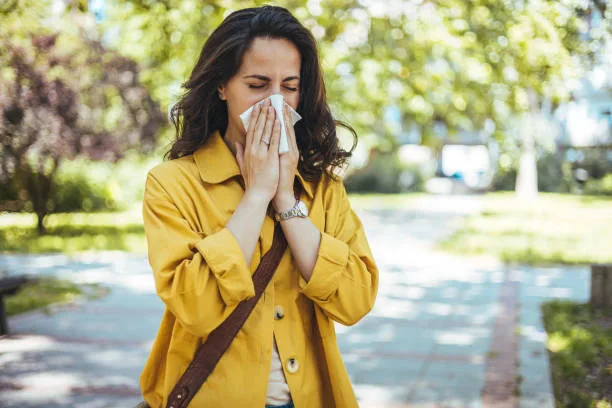
Respiratory virus season is a time of year when illnesses affecting the nose, throat, and lungs spread more easily within communities. As temperatures drop and people spend more time indoors, viruses circulate rapidly, leading to increased cases of colds, flu, RSV, COVID-19, and other respiratory infections.
Understanding respiratory virus season, what causes it, which viruses are most common, how symptoms present, and when to seek medical care, can help you protect yourself and your family. Being informed allows for early treatment, reduces complications, and helps limit the spread of illness.
What Is Respiratory Virus Season?
Respiratory virus season refers to the period when respiratory illnesses become more widespread, typically during the fall and winter months. During this time, multiple viruses circulate simultaneously, often causing overlapping symptoms that can be difficult to distinguish without medical evaluation.

Flu virus spread caused by influenza with human symptoms of fever infecting the nose and throat as deadly microscopic microbe cells with 3d illustration elements.
According to theCenters for Disease Control and Prevention (CDC), respiratory virus season usually peaks between late fall and early spring, though some viruses circulate year-round.
Respiratory virus season is marked by:
- Increased rates of viral infections
- Higher demand for medical care
- More school and workplace absences
- Greater risk for vulnerable populations
Why Respiratory Virus Season Happens
Several factors contribute to the rise in illnesses during respiratory virus season.
Increased Indoor Exposure
Colder weather leads people to spend more time indoors, where viruses spread more easily through close contact, shared surfaces, and poor ventilation.
Weakened Immune Defenses
Seasonal changes, reduced sunlight, and vitamin D deficiency may affect immune response, making individuals more susceptible during respiratory virus season.
Virus Survival in Cooler Temperatures
Many respiratory viruses survive longer in cool, dry air, increasing the likelihood of transmission. The National Institute of Allergy and Infectious Diseases explains that environmental conditions play a role in viral spread.
Close Contact in Schools and Workplaces
Crowded environments such as schools, offices, and public transportation allow viruses to move quickly from person to person during respiratory virus season.
Common Viruses Circulating During Respiratory Virus Season
Several viruses are responsible for most illnesses seen during respiratory virus season.
Influenza (Flu)
Influenza causes fever, body aches, fatigue, cough, and sore throat. The flu can lead to serious complications, especially in older adults, young children, and individuals with chronic conditions.
The CDC’s flu overview highlights that flu activity typically peaks during respiratory virus season.
COVID-19
COVID-19 continues to circulate and often overlaps with flu and RSV during respiratory virus season. Symptoms range from mild cold-like illness to severe respiratory distress.
Respiratory Syncytial Virus (RSV)
RSV is a major cause of respiratory illness in infants and older adults. According to the American Academy of Pediatrics, RSV infections increase significantly during respiratory virus season.
Common Cold Viruses
Rhinoviruses and other cold viruses cause congestion, sneezing, sore throat, and cough. While usually mild, they contribute heavily to illness during respiratory virus season.
Symptoms to

Watch for During Respiratory Virus Season
Symptoms can vary depending on the virus, but many respiratory infections share similar warning signs.
Common symptoms include:
- Runny or stuffy nose
- Cough
- Sore throat
- Fever or chills
- Fatigue
- Body aches
- Shortness of breath
- Headache
Because symptoms overlap, medical evaluation is often needed to determine the cause, especially during respiratory virus season when multiple viruses are circulating at once.
Who Is Most at Risk During Respiratory Virus Season?
Certain individuals face a higher risk of complications during respiratory virus season.
High-risk groups include:
- Adults over age 65
- Infants and young children
- Pregnant individuals
- People with asthma or chronic lung disease
- Individuals with heart disease or diabetes
- Those with weakened immune systems
The World Health Organization emphasizes that early care is especially important for these populations during respiratory virus season.
How Respiratory Viruses Spread
Understanding how viruses spread can help reduce transmission during respiratory virus season.
Viruses commonly spread through:
- Respiratory droplets from coughing or sneezing
- Close personal contact
- Touching contaminated surfaces and then touching the face
- Poorly ventilated indoor spaces
Simple prevention strategies can significantly reduce the spread of illness.
Prevention Tips for Respiratory Virus Season
Taking preventive measures is one of the most effective ways to stay healthy during respiratory virus season.
Key prevention strategies include:
- Washing hands frequently with soap and water
- Avoiding close contact with sick individuals
- Wearing a mask in crowded indoor spaces when appropriate
- Covering coughs and sneezes
- Cleaning commonly touched surfaces
- Staying home when sick
Vaccinations
Vaccines are a critical tool during respiratory virus season. The CDC recommends annual flu vaccines and staying up to date on COVID-19 vaccines to reduce severe illness and hospitalization.
When to Seek Medical Care During Respiratory Virus Season
Many respiratory infections can be managed at home, but medical care is important when symptoms worsen or do not improve.
Seek urgent care if you experience:
- Fever lasting more than a few days
- Persistent or worsening cough
- Difficulty breathing or shortness of breath
- Chest pain
- Severe fatigue or dehydration
- Symptoms that suddenly worsen
Early evaluation during respiratory virus season helps prevent complications and ensures appropriate treatment.
How Urgent Care Helps During Respiratory Virus Season
Urgent care plays an essential role during respiratory virus season by providing timely access to evaluation and treatment.
Urgent care services may include:
- Symptom evaluation and physical exams
- Rapid testing for flu, COVID-19, or RSV when appropriate
- Treatment plans for symptom relief
- Guidance on isolation and recovery
- Referrals for emergency care if needed
Prompt care helps patients recover safely and reduces unnecessary emergency room visits.
Recovery and Self-Care During Respiratory Virus Season
Proper self-care supports recovery and reduces the spread of illness.
Helpful recovery tips include:
- Getting plenty of rest
- Staying hydrated
- Using fever reducers as directed by a healthcare provider
- Managing congestion with humidifiers or saline sprays
- Following medical guidance for return to work or school
Allowing the body time to heal is especially important during respiratory virus season.
Walk-In Care During Respiratory Virus Season
If you or a family member develops concerning symptoms during respiratory virus season, UrgiClinic Urgent Care is here to help. Our experienced medical providers can evaluate symptoms, recommend appropriate testing, and guide you through recovery.
Don’t wait until symptoms worsen. Walk in today for trusted care, timely treatment, and peace of mind throughout respiratory virus season.