
Heart disease and heart attacks remain among the leading causes of illness and death worldwide. Despite how common these conditions are, many people still overlook early warning signs or misunderstand how heart disease develops over time. Understanding Heart Disease and Heart Attacks, including their symptoms, causes, and risk factors, is essential for early detection, timely treatment, and long-term heart health.
While heart disease often develops slowly, heart attacks can occur suddenly and require immediate medical attention. Recognizing the difference—and knowing when to seek urgent care—can be life-saving.
What Is Heart Disease?
Heart disease is a broad term used to describe several conditions that affect the heart’s structure and function. These conditions interfere with the heart’s ability to pump blood efficiently throughout the body. Over time, heart disease can increase the risk of serious complications, including heart attacks, heart failure, and stroke.
According to the Centers for Disease Control and Prevention (CDC), heart disease is the leading cause of death for men and women in the United States.
Common types of heart disease include:
- Coronary artery disease (CAD) – narrowing or blockage of the arteries supplying the heart
- Arrhythmias – irregular heart rhythms
- Heart valve disease – damage or dysfunction of heart valves
- Cardiomyopathy – weakened or enlarged heart muscle
- Congenital heart defects – heart conditions present at birth
Heart Disease and Heart Attacks are closely connected, as coronary artery disease is the most common underlying cause of heart attacks.
What Is a Heart Attack?
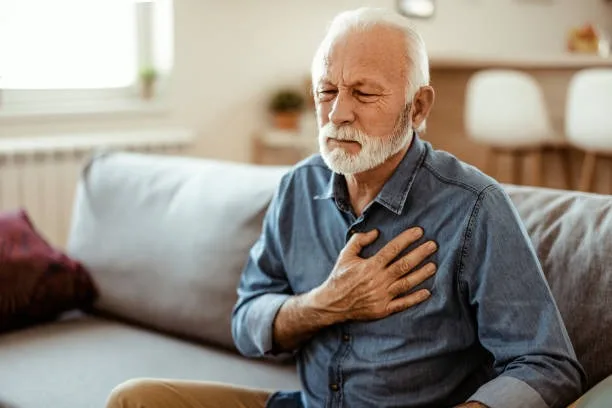
A heart attack, also known as a myocardial infarction, occurs when blood flow to part of the heart muscle is suddenly blocked. This blockage is usually caused by a buildup of plaque that ruptures and forms a blood clot inside a coronary artery.
The American Heart Association explains that without prompt treatment, the affected heart muscle begins to suffer damage within minutes. This is why heart attacks are medical emergencies that require immediate care.
While heart disease develops over time, heart attacks can happen unexpectedly—even in people who may not realize they have heart disease.
How Heart Disease and Heart Attacks Are Connected
Heart Disease and Heart Attacks are part of the same continuum. Long-term heart disease weakens the cardiovascular system and increases the risk of a sudden cardiac event.
Here’s how they are connected:
- Heart disease causes narrowing or damage to coronary arteries
- Reduced blood flow limits oxygen supply to the heart muscle
- Plaque buildup can rupture and form clots
- A blocked artery can trigger a heart attack
Managing heart disease early can significantly reduce the risk of heart attacks.
Common Causes of Heart Disease and Heart Attacks
Several factors contribute to the development of Heart Disease and Heart Attacks. Some are related to lifestyle, while others are influenced by genetics or underlying health conditions.
Lifestyle-Related Causes
- Unhealthy diet, especially high in saturated fats, salt, and sugar
- Lack of physical activity
- Smoking or tobacco use
- Excessive alcohol consumption
Medical and Health Conditions
- High blood pressure
- High cholesterol
- Diabetes
- Obesity
- Metabolic syndrome
The National Heart, Lung, and Blood Institute notes that these conditions damage blood vessels over time, increasing the likelihood of Heart Disease and Heart Attacks.
Genetic and Age-Related Factors
- Family history of heart disease
- Aging, which naturally stiffens blood vessels
- Male sex or postmenopausal status in women
While some risk factors cannot be changed, many causes of Heart Disease and Heart Attacks are preventable through lifestyle modifications and early medical care.
Warning Signs and Symptoms of Heart Disease
Heart disease does not always cause obvious symptoms, especially in its early stages. When symptoms do appear, they may be subtle and easy to ignore.
Common signs of heart disease include:
- Chest discomfort or pressure
- Shortness of breath during activity or rest
- Fatigue or weakness
- Swelling in the legs, ankles, or feet
- Irregular heartbeat or palpitations
- Dizziness or lightheadedness
These symptoms may come and go, but they should never be dismissed—especially if they worsen over time.
Signs and Symptoms of a Heart Attack
Heart attacks often produce more severe and sudden symptoms. However, not everyone experiences the same warning signs.
Common heart attack symptoms include:
- Chest pain, pressure, or tightness
- Pain spreading to the arms, neck, jaw, back, or shoulders
- Shortness of breath
- Cold sweats
- Nausea or vomiting
- Lightheadedness or fainting
The Mayo Clinic highlights that women may experience less typical symptoms, such as extreme fatigue, nausea, or back pain, making awareness especially important.
If you suspect a heart attack, emergency care is critical.
Who Is at Higher Risk for Heart Disease and Heart Attacks?
Certain individuals are at a higher risk of developing Heart Disease and Heart Attacks.
High-risk groups include:
- Adults over age 45 (men) or 55 (women)
- People with a family history of heart disease
- Individuals with diabetes or high blood pressure
- Smokers or former smokers
- People with sedentary lifestyles
Understanding your personal risk factors allows for early intervention and preventive care.
How Heart Disease and Heart Attacks Are Diagnosed
Diagnosing Heart Disease and Heart Attacks involves a combination of medical history, physical exams, and diagnostic tests.
Common diagnostic tools include:
- Blood pressure and cholesterol testing
- Electrocardiogram (ECG or EKG)
- Blood tests to detect heart damage
- Imaging studies such as X-rays or echocardiograms
Early diagnosis plays a critical role in preventing complications and improving outcomes.
Treatment Options for Heart Disease and Heart Attacks
Treatment depends on the severity and type of heart condition.
Heart Disease
- Lifestyle changes such as diet and exercise
- Medications to control blood pressure, cholesterol, or heart rhythm
- Ongoing monitoring and follow-up care
Heart Attacks
- Emergency medical intervention
- Medications to dissolve clots or reduce heart damage
- Procedures to restore blood flow, when necessary
According to the American College of Cardiology, prompt treatment significantly improves survival and recovery.
When to Seek Urgent Care or Emergency Care

Knowing when to seek care is essential when dealing with Heart Disease and Heart Attacks.
Seek emergency care immediately if:
- Chest pain lasts more than a few minutes
- Pain spreads to the arms, jaw, or back
- Shortness of breath is severe or sudden
- Symptoms are accompanied by sweating or nausea
Urgent care can help evaluate concerning but non-emergency symptoms, such as persistent chest discomfort, palpitations, or unexplained shortness of breath.
Preventing Heart Disease and Heart Attacks
Prevention is one of the most powerful tools against Heart Disease and Heart Attacks.
Key preventive steps include:
- Eating a heart-healthy diet
- Exercising regularly
- Maintaining a healthy weight
- Managing stress
- Quitting smoking
- Controlling blood pressure, cholesterol, and blood sugar
The World Health Organization emphasizes that most cardiovascular diseases are preventable through lifestyle changes and early care.
Walk-In Care for Heart-Related Concerns
If you’re experiencing symptoms that concern you or have risk factors for Heart Disease and Heart Attacks, UrgiClinic Urgent Care is here to help. Our medical professionals can assess symptoms, perform evaluations, and guide you on next steps for heart health.
Early care can make a life-changing difference. Walk in today for expert evaluation, compassionate care, and peace of mind.