

A persistent cough can be exhausting, especially when you have already been sick for several days.
If you’ve been diagnosed with bronchitis, you may wonder whether it can turn into pneumonia.
Bronchitis and pneumonia affect different parts of the respiratory system. While bronchitis involves the airways leading to the lungs, pneumonia affects the lung tissue itself. However, some people can develop pneumonia after a respiratory infection, particularly if they have certain risk factors.
In this blog, we’ll explain the difference between bronchitis and pneumonia, warning signs to watch for, and when to seek medical care.
What Is Bronchitis?
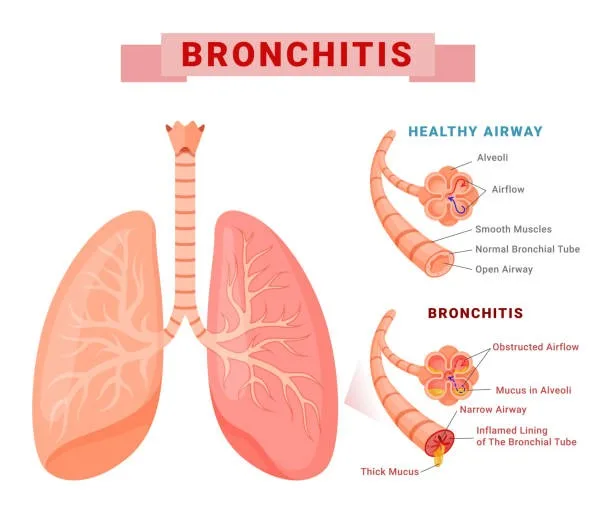
Acute bronchitis occurs when the bronchial tubes become inflamed and produce mucus.
It is commonly caused by viruses, including viruses that cause colds and flu.
According to the CDC’s information on acute bronchitis, symptoms can include coughing, congestion, sore throat, tiredness, and mild body aches.
The cough can last for several weeks even after other symptoms improve.
Antibiotics generally do not help when acute bronchitis is caused by a virus.
What Is Pneumonia?
Pneumonia is an infection in one or both lungs.
The infection causes the air sacs in the lungs to become inflamed and may fill with fluid or pus.
Pneumonia can be caused by bacteria, viruses, or fungi.
The American Lung Association explains that pneumonia can range from mild to serious, depending on the cause and a person’s age and overall health.
Common symptoms include:
- Cough
- Fever
- Chills
- Chest pain
- Fatigue
- Shortness of breath
- Rapid breathing
Can Bronchitis Turn Into Pneumonia?
Usually, bronchitis does not directly “turn into” pneumonia.
They affect different parts of the respiratory system.
However, pneumonia can develop during or after a respiratory infection, and some people with bronchitis may later be diagnosed with pneumonia.
The American Lung Association notes that bronchitis does not usually progress to pneumonia, although it can happen in certain situations.
The risk may be higher for people with underlying lung disease, weakened immune systems, or other health conditions.
How Can You Tell the Difference?
Bronchitis and pneumonia can have similar symptoms, so it is not always possible to tell them apart based on symptoms alone.
Bronchitis
Acute bronchitis often causes:
- Persistent cough
- Mucus production
- Chest congestion
- Mild body aches
- Fatigue
- Sore throat
- Mild fever
- Occasional wheezing
Pneumonia
Pneumonia may cause:
- More significant fever
- Chills
- Shortness of breath
- Chest pain
- Rapid breathing
- Severe fatigue
- Persistent or worsening cough
However, pneumonia does not always cause a high fever or severe symptoms.
Older adults and people with certain medical conditions may have less typical symptoms.
Signs Your Bronchitis May Need Medical Evaluation
If you have bronchitis, pay attention to how your symptoms change.
You should seek medical care if:
- Your breathing becomes more difficult
- Your fever persists or becomes high
- Your symptoms are getting worse instead of better
- You cough up blood
- Your cough lasts longer than three weeks
- You have repeated episodes of bronchitis
- You develop significant chest pain
The CDC recommends medical evaluation for bronchitis when symptoms include shortness of breath, bloody mucus, prolonged fever, or symptoms lasting more than three weeks.
Who Is More Vulnerable to Pneumonia?
Anyone can develop pneumonia, but some people have a higher risk of serious illness.
Risk can increase with:
- Older age
- Young age
- Chronic lung disease
- Asthma or COPD
- Diabetes
- Heart disease
- A weakened immune system
- Smoking
- Certain other chronic conditions
The American Lung Association’s pneumonia guidance provides more information about risk factors and prevention.
How Is Pneumonia Diagnosed?
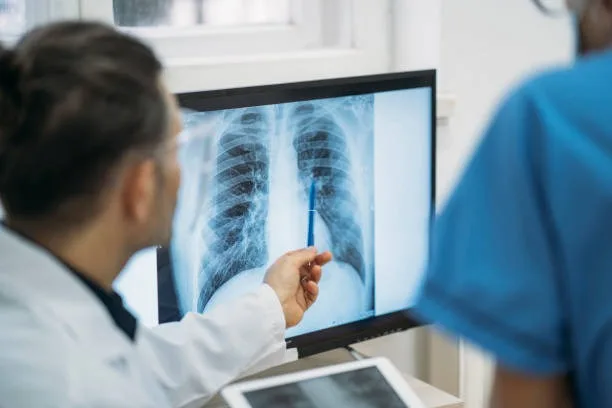
A healthcare provider may listen to your lungs and review your symptoms and medical history.
If pneumonia is suspected, imaging such as a chest X-ray may be recommended.
Other tests may be used depending on your symptoms and overall health.
This is one reason persistent or worsening respiratory symptoms should not always be treated as “just bronchitis.”
How Is Bronchitis Treated?
Most acute bronchitis cases improve on their own.
Treatment generally focuses on relieving symptoms while your body recovers.
You may be advised to:
- Get plenty of rest
- Drink fluids
- Use a humidifier
- Avoid cigarette smoke
- Use appropriate over-the-counter medications for symptom relief
Antibiotics are generally not helpful for viral bronchitis.
Taking antibiotics when they are not needed can also cause side effects and contribute to antibiotic resistance.
How Is Pneumonia Treated?
Pneumonia treatment depends on its cause and severity.
Bacterial pneumonia may require antibiotics. Viral pneumonia may require supportive care or antiviral treatment in certain circumstances.
Some people with severe pneumonia may need hospital treatment, oxygen, or other medical support.
Early evaluation can help determine the appropriate treatment.
When Should You Go to the Emergency Room?
Certain symptoms require immediate medical attention.
Go to the emergency room or call emergency services if you experience:
- Severe difficulty breathing
- Severe or persistent chest pain
- Blue or gray lips or face
- Severe confusion
- Fainting
- Severe weakness
- Coughing up significant amounts of blood
The CDC’s respiratory illness guidance lists difficulty breathing, persistent chest pain or pressure, confusion, severe weakness, and symptoms that improve and then worsen as emergency warning signs.
Do not wait for these symptoms to become worse.
Don’t Ignore a Cough That Gets Worse
A cough can linger after bronchitis and does not automatically mean you have pneumonia.
However, a cough accompanied by worsening fever, breathing problems, chest pain, or severe fatigue deserves medical attention.
If you are unsure whether your symptoms are bronchitis, pneumonia, or another respiratory infection, getting evaluated can provide clarity.
You can also read UrgiClinic’s Cough, Bronchitis, or Pneumonia? When to Get Checked for more information about distinguishing these conditions.
Visit UrgiClinic for Respiratory Symptoms
UrgiClinic Urgent Care provides evaluation for common respiratory illnesses, including bronchitis and pneumonia.
Our providers can assess your symptoms and determine whether additional testing, such as an X-ray, may be appropriate.
You can also learn more about UrgiClinic’s diagnostic and urgent care services.
If you are having severe difficulty breathing, severe chest pain, confusion, or another emergency warning sign, seek emergency medical attention immediately.
For non-emergency respiratory symptoms that are worsening or not improving, visit UrgiClinic Urgent Care for prompt evaluation and care.