
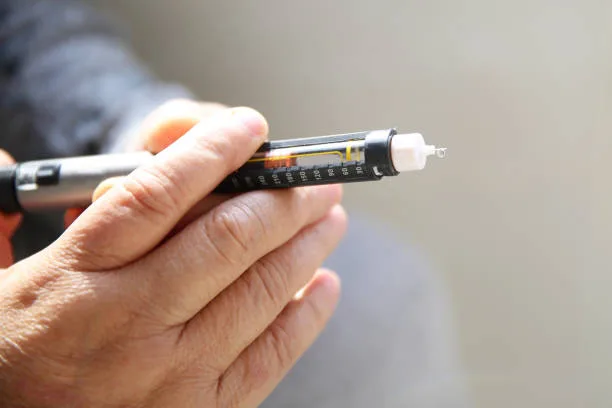
Effective diabetes management is essential for maintaining stable blood sugar levels and preventing serious long-term complications. Diabetes is a chronic condition that affects how the body processes glucose, but with the right care and daily habits, individuals can lead healthy, active lives. Without proper diabetes management, however, blood sugar levels can become difficult to control, increasing the risk of complications that affect the heart, kidneys, nerves, and eyes.
Managing diabetes isn’t a one-time task—it’s an ongoing process that involves regular monitoring, lifestyle changes, and long-term medical care. While comprehensive diabetes management is typically handled by a primary care provider, urgent care clinics can still play an important supportive role. We can help guide patients in the right direction, address immediate concerns, and ensure they understand the next steps for proper, continuous care.
According to the American Diabetes Association and the Centers for Disease Control and Prevention, proper diabetes management significantly lowers the risk of serious complications and improves long-term outcomes.
What Is Diabetes Management?
Diabetes management refers to the daily practices and medical strategies used to keep blood glucose levels within a healthy range. This includes a combination of lifestyle habits, regular monitoring, and prescribed treatments.
The goal of diabetes management is to:
- Maintain stable blood sugar levels
- Prevent sudden spikes (hyperglycemia) or drops (hypoglycemia)
- Reduce the risk of long-term complications
- Improve overall quality of life
Because diabetes affects each person differently, management plans are often personalized based on individual needs and health conditions.
Key Components of Diabetes Management

Successful diabetes management involves several core components that work together to maintain balance in the body.
These include:
- Blood sugar monitoring
Regularly checking glucose levels helps track how the body responds to food, activity, and medication. - Healthy eating habits
A balanced diet that includes whole grains, lean proteins, healthy fats, and vegetables helps regulate blood sugar levels. - Physical activity
Exercise improves insulin sensitivity and helps lower blood glucose levels naturally. - Medication or insulin therapy
Some individuals require medication or insulin to maintain proper blood sugar control. - Routine medical care
Regular check-ups help monitor progress and adjust treatment plans as needed.
Consistency across these areas is critical for effective diabetes management.
Symptoms of Poor Diabetes Control

When diabetes is not well managed, blood sugar levels can become too high or too low, leading to noticeable symptoms.
Common warning signs include:
- Increased thirst and frequent urination
- Fatigue or low energy levels
- Blurred vision
- Slow-healing cuts or wounds
- Unexplained weight changes
- Tingling or numbness in the hands or feet
These symptoms may develop gradually or appear suddenly, depending on blood sugar fluctuations. Recognizing these signs early can help prevent complications.
Causes of Blood Sugar Imbalance
Several factors can interfere with effective diabetes management and lead to unstable blood sugar levels.
Common causes include:
- Poor dietary choices, including high sugar or refined carbohydrate intake
- Lack of physical activity
- Skipping medications or incorrect dosing
- Stress or illness, which can affect hormone levels
- Changes in routine, such as travel or disrupted sleep
Understanding these triggers can help individuals make adjustments to better manage their condition.
Treatment and Care Strategies
Diabetes management requires a combination of daily habits and medical guidance. The right approach depends on the type of diabetes and individual health factors.
Effective strategies include:
- Following a structured meal plan that balances carbohydrates, protein, and fats
- Engaging in regular physical activity, such as walking, cycling, or strength training
- Taking medications or insulin exactly as prescribed
- Monitoring blood sugar levels consistently
- Staying hydrated and maintaining a healthy weight
In some cases, additional support such as nutrition counseling or diabetes education programs may be recommended.
Complications of Poor Diabetes Management
Without proper diabetes management, prolonged high blood sugar levels can lead to serious complications over time.
Potential complications include:
- Heart disease and high blood pressure
- Nerve damage (neuropathy)
- Kidney damage
- Vision problems or blindness
- Increased risk of infections
These complications can often be prevented or delayed with consistent and effective management.
Prevention and Long-Term Diabetes Care
While diabetes requires ongoing management, long-term success is possible with consistent care and healthy habits.
Helpful prevention and management tips include:
- Maintaining a balanced, nutrient-rich diet
- Staying physically active on a regular basis
- Monitoring blood sugar levels as recommended
- Keeping up with routine medical appointments
- Managing stress and getting adequate sleep
Taking a proactive approach to diabetes management can significantly improve long-term health outcomes.
Walk-In With Us
Managing diabetes can feel overwhelming, especially when symptoms change or concerns come up unexpectedly. While long-term diabetes management is best handled through primary care, UrgiClinic Urgent Care is here to support you when you need immediate attention. We can evaluate symptoms, address blood sugar concerns, and most importantly, help guide you on the right next steps for ongoing care.
If you’re experiencing symptoms or have questions about your condition, don’t wait. Walk in today for prompt, professional care and get the direction you need to stay on track with your health.