
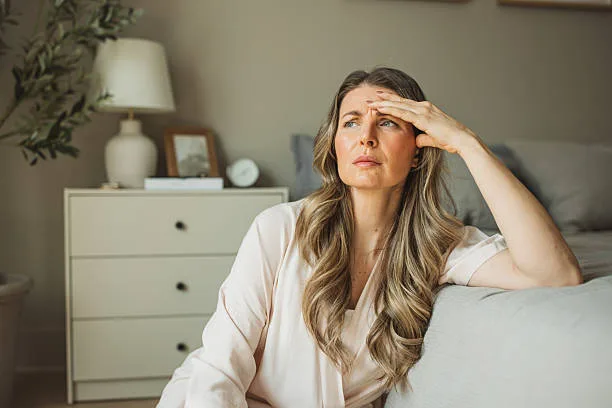
Feeling tired from time to time is normal. But if you constantly feel drained during menopause, you may wonder whether hormonal changes are responsible.
Fatigue is a common complaint during perimenopause and menopause. Hormonal changes can affect sleep, mood, energy levels, and overall well-being.
However, menopause-related fatigue is not something you simply have to accept. Understanding what causes it can help you find ways to manage your symptoms and feel more like yourself again.
In this blog, we’ll explore how menopause can cause fatigue, other symptoms to watch for, treatment options, and when to talk to a healthcare provider.
Can Menopause Cause Fatigue?
Yes. Menopause can contribute to fatigue.
During perimenopause and menopause, levels of hormones such as estrogen and progesterone change significantly. These hormonal fluctuations can affect sleep and other processes that influence your energy levels.
The National Institute on Aging (NIA) explains that hormonal changes during the menopause transition can contribute to symptoms such as sleep problems, hot flashes, mood changes, and other physical changes.
Fatigue may also result indirectly. For example, frequent night sweats or hot flashes can interrupt your sleep, leaving you exhausted the next day.
Still, menopause is not the only possible cause of fatigue. Other health conditions, medications, lifestyle factors, and sleep problems can also leave you feeling tired.
What Does Menopause-Related Fatigue Feel Like?
Menopause-related fatigue can feel different from ordinary tiredness after a busy day.
You may experience:
- Persistent lack of energy
- Difficulty getting through your normal routine
- Trouble concentrating
- Feeling physically or mentally drained
- Reduced motivation
- Sleepiness during the day
- Difficulty exercising or staying active
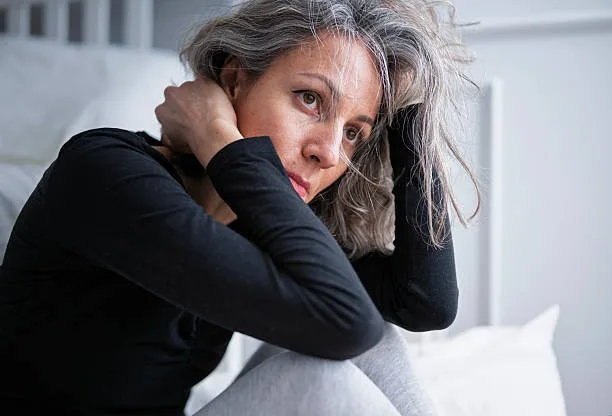
You may also notice that your energy levels fluctuate.
Some days may feel manageable, while other days can leave you struggling to complete everyday activities.
If fatigue is persistent or interfering with your daily life, it is worth discussing with a healthcare provider.
Why Does Menopause Cause Fatigue?
Several changes during menopause can contribute to low energy.
1. Hormonal Changes
Estrogen and progesterone play important roles throughout the body.
As hormone levels fluctuate during perimenopause and decline after menopause, you may experience changes in sleep, mood, temperature regulation, and other functions.
These changes can contribute to feelings of fatigue.
2. Sleep Problems
Sleep disruption is one of the biggest reasons women may feel exhausted during menopause.
Hot flashes and night sweats can wake you during the night. Even if you fall back asleep quickly, repeated interruptions can leave you feeling tired the next morning.
The Office on Women’s Health notes that menopause symptoms can affect sleep and may contribute to daytime tiredness.
3. Stress and Mood Changes
The menopause transition can coincide with significant changes in mood.
Some women experience increased irritability, anxiety, or feelings of sadness. Stress itself can also make it harder to fall asleep or stay asleep.
Poor sleep and emotional stress can create a cycle that makes fatigue worse.
4. Night Sweats and Hot Flashes
Hot flashes are among the most recognizable menopause symptoms.
They can happen during the day or at night. When they occur while you are sleeping, they may interrupt your rest and contribute to daytime fatigue.
If hot flashes are frequent, treating them may also help improve your sleep and energy.
Other Symptoms of Menopause
Fatigue rarely occurs by itself.
Other common symptoms of perimenopause and menopause may include:
- Hot flashes
- Night sweats
- Irregular periods
- Sleep problems
- Mood changes
- Difficulty concentrating
- Vaginal dryness
- Changes in sexual desire
- Headaches
- Joint or muscle aches
The Mayo Clinic’s menopause overview provides a detailed look at common symptoms and the physical changes associated with menopause.
Symptoms can vary significantly from one woman to another.
How Can You Reduce Menopause-Related Fatigue?
You may not be able to prevent every menopause symptom. However, several lifestyle changes can support better energy and sleep.

1. Prioritize Quality Sleep
Try to maintain a consistent sleep and wake schedule.
Keep your bedroom comfortable and cool, especially if night sweats are affecting your sleep.
Avoid caffeine late in the day and limit activities that make it harder to wind down before bed.
If sleep problems continue despite lifestyle changes, talk with a healthcare provider.
2. Stay Physically Active
Exercise may be the last thing you want to do when you’re exhausted. However, regular physical activity can support sleep, mood, and overall health.
Try activities such as walking, swimming, cycling, strength training, or yoga.
Start gradually if you have not been active recently.
The CDC’s physical activity recommendations for adults recommend at least 150 minutes of moderate-intensity physical activity each week, along with muscle-strengthening activities.
3. Eat a Balanced Diet
Your body still needs adequate nutrients during menopause.
Focus on a balanced diet that includes vegetables, fruits, whole grains, lean proteins, and healthy fats.
Avoid relying heavily on sugary foods or excessive caffeine for quick energy. These may provide a temporary boost but are not a substitute for adequate nutrition and rest.
4. Manage Stress
Stress can contribute to both fatigue and poor sleep.
Make time for activities that help you relax. Depending on your preferences, this may include walking, reading, meditation, stretching, breathing exercises, or spending time with friends and family.
Even a few minutes of relaxation can help create a healthier daily routine.
Can Menopause Fatigue Be Treated?
Treatment depends on what is causing your fatigue.
If hot flashes, night sweats, or other menopause symptoms are disrupting your sleep, treating those symptoms may improve your energy.
Hormone therapy may be an option for some women. However, it is not appropriate for everyone.
The North American Menopause Society’s patient information explains that hormone therapy can be an effective treatment for certain menopause symptoms, but its benefits and risks should be discussed with a healthcare professional.
Nonhormonal treatment options may also be available.
Your healthcare provider can review your symptoms, medical history, and individual risk factors to determine which options may be appropriate.
When Is Fatigue a Sign of Something Else?
Not all fatigue during midlife is caused by menopause.
Persistent tiredness can also be associated with conditions such as anemia, thyroid problems, sleep apnea, depression, diabetes, or other health concerns.
Certain medications and lifestyle factors can also contribute to fatigue.
That is why persistent or unexplained fatigue deserves attention.
If you are getting enough sleep but still feel unusually exhausted, talk with a healthcare provider. They may recommend an evaluation or testing to look for other possible causes.
When Should You See a Doctor?
Consider making an appointment with a healthcare provider if:
- Fatigue lasts for several weeks
- Your tiredness interferes with work or daily activities
- You regularly wake up exhausted
- You have severe or frequent night sweats
- You experience significant mood changes
- You have unexplained weight changes
- You have other new or concerning symptoms
Seek urgent medical attention if fatigue occurs with severe chest pain, difficulty breathing, fainting, sudden confusion, or another serious symptom.
If you are experiencing multiple symptoms and are unsure whether they are related to menopause, professional evaluation can help.
Take Control of Your Energy During Menopause
Menopause can bring significant changes to your body, and fatigue may be one of them.
Hormonal changes, sleep disruption, hot flashes, stress, and mood changes can all contribute to feeling exhausted.
But persistent fatigue should not automatically be blamed on menopause.
Pay attention to your symptoms, prioritize healthy sleep and activity, and talk with a healthcare provider if your fatigue continues or affects your quality of life.
For more information about women’s health concerns, explore UrgiClinic’s Women’s Health services.
You can also learn more about common health concerns that may affect adults in midlife through UrgiClinic’s health and wellness resources.
Visit UrgiClinic Urgent Care for Personalized Care
If persistent fatigue or other menopause symptoms are affecting your everyday life, you do not have to figure out the cause on your own.
At UrgiClinic Urgent Care, our healthcare professionals can evaluate your symptoms, discuss possible causes, and recommend appropriate next steps.
Whether you are dealing with persistent fatigue, sleep problems, or another concerning symptom, getting evaluated can help you better understand your health.
Don’t let unexplained fatigue become your new normal. Visit UrgiClinic Urgent Care for convenient, compassionate care when you need it.