
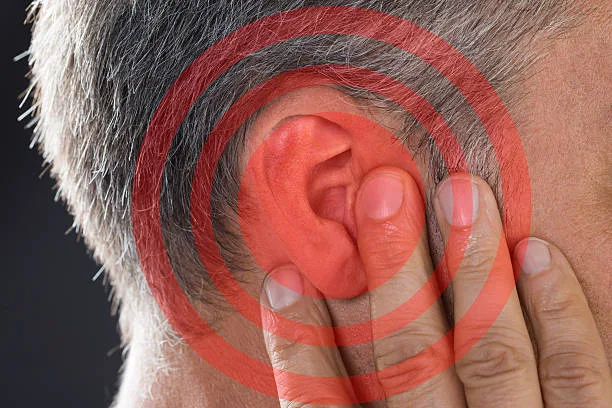
Noise and hearing loss are closely linked, especially in environments where repeated exposure to loud sounds is common. Noise-induced hearing loss develops gradually when the inner ear is damaged by prolonged or intense noise exposure. Because symptoms often appear slowly, many individuals do not recognize the problem until hearing loss begins to interfere with daily life, communication, and overall quality of life.
In today’s world, exposure to loud noise is more common than ever. From busy workplaces and urban environments to personal listening devices and entertainment venues, the risk of hearing damage is often underestimated. What may seem like harmless exposure—such as listening to music at high volume or working in a noisy setting, can, over time, lead to lasting damage.
According to the Centers for Disease Control and Prevention and the National Institute on Deafness and Other Communication Disorders, noise exposure is one of the leading preventable causes of hearing loss. This makes awareness, early detection, and prevention especially important.
What Is Noise-Induced Hearing Loss?
Noise-induced hearing loss occurs when loud sounds damage the tiny hair cells inside the inner ear, specifically within the cochlea. These delicate structures play a critical role in converting sound waves into electrical signals that the brain interprets as sound.
When these hair cells are exposed to excessive noise, they can become damaged or destroyed. Unlike other cells in the body, these hair cells do not regenerate. As a result, any damage caused is often permanent. The more frequent or intense the exposure, the greater the risk of long-term hearing impairment.
Noise-induced hearing loss can occur suddenly after a very loud event, but it is more commonly the result of repeated exposure over time. This is why many people do not notice the condition until it has already progressed.
Common Causes of Noise and Hearing Loss
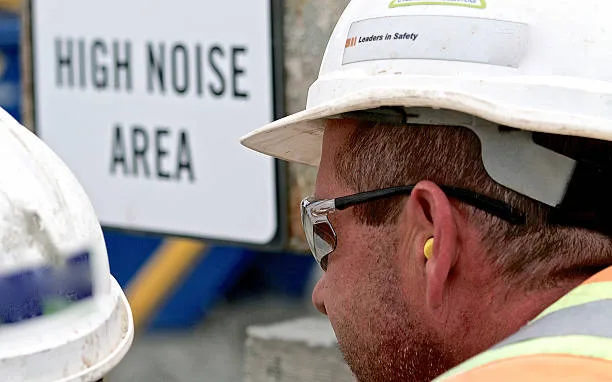
Noise-induced hearing loss is typically caused by repeated or prolonged exposure to loud environments. The risk depends on both the intensity of the sound and the duration of exposure.
Common causes include:
- Long-term exposure to workplace noise such as construction sites, factories, or heavy machinery
- Listening to music at high volume through headphones or earbuds for extended periods
- Frequent attendance at concerts, clubs, or sporting events with high noise levels
- Use of power tools, lawn equipment, or firearms without proper ear protection
- Sudden exposure to extremely loud sounds, such as explosions, sirens, or loud blasts
Even sounds that may not feel uncomfortable at first can still contribute to hearing damage over time. Consistent exposure to moderate noise levels can be just as harmful as occasional exposure to very loud sounds.
Signs and Symptoms of Noise-Induced Hearing Loss
The symptoms of noise and hearing loss often develop gradually and may worsen without intervention. Because the changes are subtle at first, many individuals adjust to them without realizing that their hearing is declining.
Common symptoms include:
- Difficulty understanding conversations, especially in crowded or noisy environments
- Frequently asking others to repeat themselves
- Sounds appearing muffled, distant, or unclear
- Ringing, buzzing, or hissing in the ears, known as tinnitus
- Needing to increase the volume on televisions, phones, or other devices
- A feeling of fullness, pressure, or discomfort in the ears
In early stages, symptoms may come and go. Over time, however, they tend to become more persistent and noticeable, particularly in social or work settings.
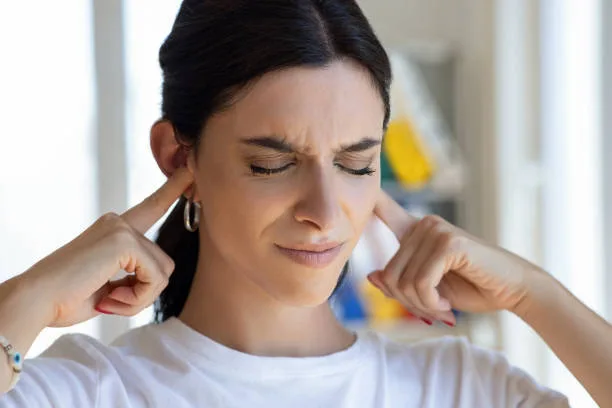
Risk Factors for Noise and Hearing Loss
Certain individuals are more likely to develop noise-induced hearing loss based on their lifestyle, occupation, or habits.
Higher-risk groups include:
- Individuals working in loud environments such as construction, manufacturing, or transportation
- Musicians, DJs, and frequent concertgoers exposed to high-volume sound
- People who regularly use headphones or earbuds at high volumes
- Older adults experiencing age-related hearing decline combined with noise exposure
- Individuals exposed to repeated recreational noise, including motorsports or shooting activities
Understanding these risk factors can help individuals take preventive measures before permanent damage occurs.
Diagnosis of Noise-Induced Hearing Loss
Diagnosing noise-induced hearing loss typically begins with a detailed evaluation of symptoms and exposure history. A healthcare provider may ask about your work environment, daily routines, and any recent changes in hearing.
Evaluation may include:
- A review of symptoms and duration of hearing concerns
- Assessment of noise exposure at work or during recreational activities
- A physical examination of the ears to rule out other conditions
- Hearing tests to determine the severity and type of hearing loss
Early diagnosis is important because it allows for timely intervention and helps prevent further damage.
Treatment Options
While damage from noise-induced hearing loss is often permanent, treatment focuses on managing symptoms and improving quality of life.
Common treatment approaches include:
- Avoiding further exposure to loud noise to prevent progression
- Using protective hearing devices such as earplugs or earmuffs
- Hearing aids for individuals with moderate to severe hearing loss
- Tinnitus management strategies, including sound therapy and lifestyle adjustments
Treatment plans may vary depending on the severity of hearing loss and the individual’s daily needs.
When to Seek Urgent Care
You should seek medical attention if you experience:
- Sudden hearing loss in one or both ears
- Persistent ringing, buzzing, or hissing sounds that do not go away
- Hearing loss accompanied by dizziness or balance issues
- Ear pain, pressure, or discomfort along with hearing changes
- Rapid worsening of hearing or difficulty communicating
These symptoms may indicate underlying conditions that require prompt evaluation. Early care can help prevent complications and guide appropriate treatment.
Prevention Tips
Preventing noise and hearing loss is possible with simple, consistent habits. Protecting your hearing today can reduce the risk of long-term damage.
Helpful prevention strategies include:
- Lowering headphone volume and limiting listening time
- Wearing ear protection in loud work or recreational environments
- Taking breaks from continuous noise exposure
- Avoiding prolonged exposure to high-volume settings
- Scheduling routine hearing checks, especially if you are frequently exposed to noise
Small changes in daily habits can make a significant difference in preserving hearing health.
Walk-In Care for Hearing Concerns
If you are experiencing symptoms of noise and hearing loss, early evaluation can make a meaningful difference. UrgiClinic Urgent Care provides prompt assessment of hearing concerns, helping identify potential causes and guiding you toward the right next steps.
Don’t ignore the early signs of hearing changes. Walk in today for fast, professional care and take an important step toward protecting your long-term hearing health.