
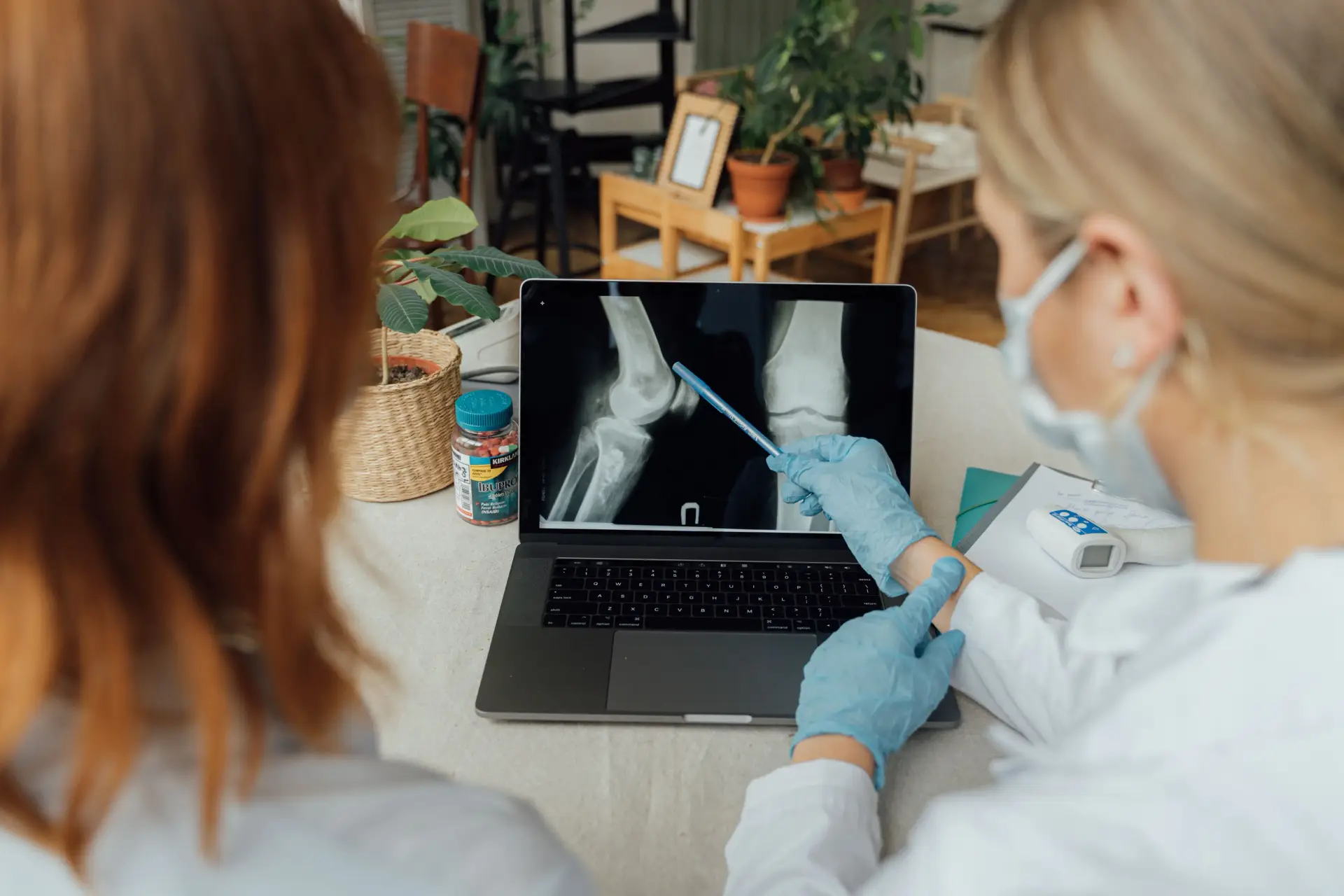
Fractures and dislocations are two of the most common musculoskeletal injuries, often occurring after falls, sports injuries, workplace accidents, or other forms of trauma. Both can cause significant pain, swelling, bruising, and difficulty moving the affected area, but they involve different parts of the body and often require different treatment approaches.
Understanding the difference between a fracture and a dislocation can help you recognize when to seek medical attention and what type of care may be needed. While many injuries can be evaluated at an urgent care clinic, severe trauma, open fractures, or injuries that affect circulation require immediate emergency medical care.
For non-emergency injury evaluation, UrgiClinic can assess a wide range of bone, joint, and muscle injuries through our What We Treat services.
What Is a Fracture?
A fracture is a break, crack, or complete break in a bone. It occurs when the force placed on a bone is stronger than its natural structure can withstand.
According to the Mayo Clinic, fractures can range from small hairline cracks to severe breaks where the bone breaks into multiple pieces.
Common types of fractures include:
- Stress fractures
- Hairline fractures
- Greenstick fractures
- Simple fractures
- Compound (open) fractures
- Comminuted fractures
The severity depends on the force of injury and whether surrounding tissues such as muscles, nerves, or blood vessels are affected.
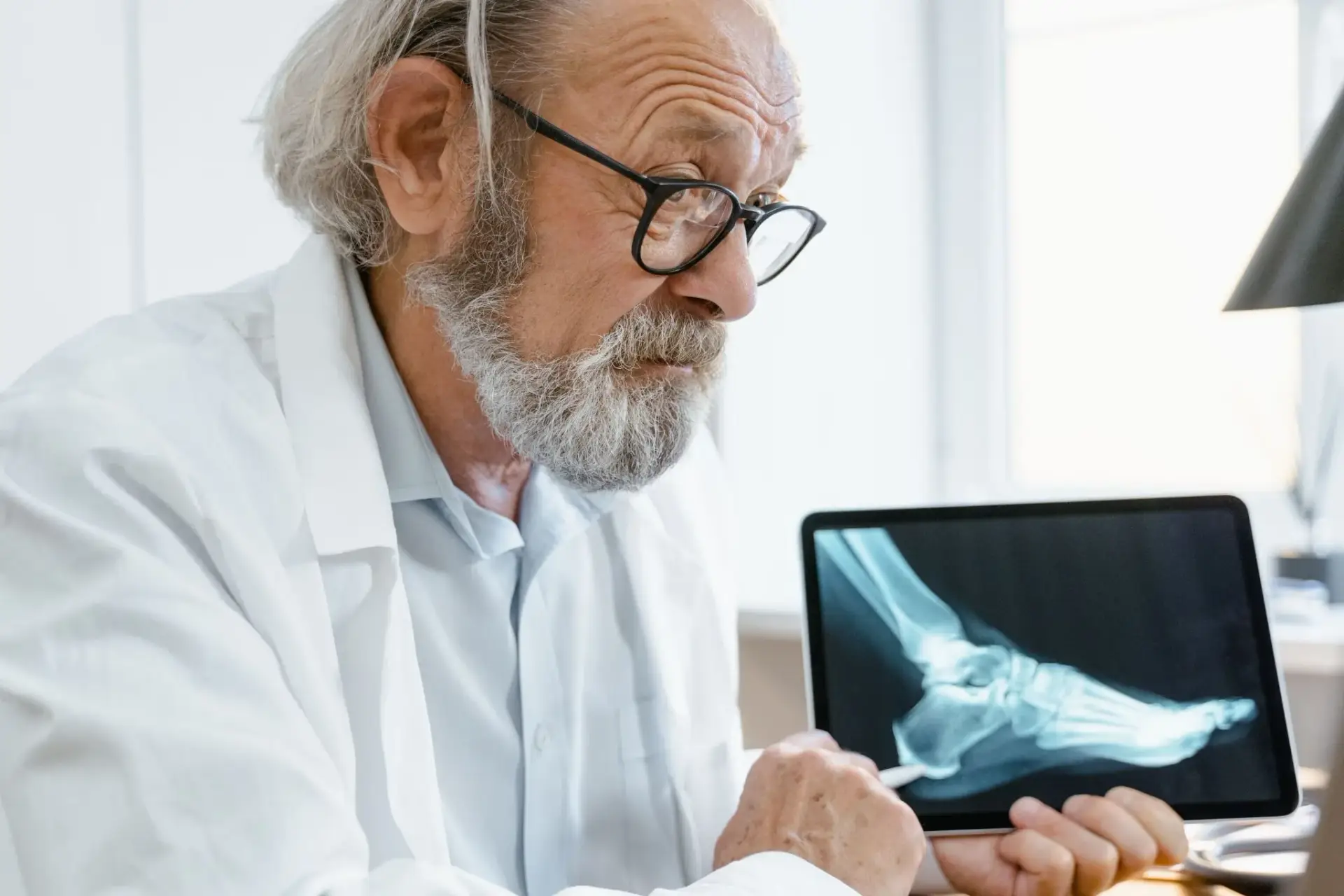
What Is a Dislocation?
A dislocation occurs when bones in a joint are forced out of their normal position. Unlike fractures, the bone remains intact, but the joint becomes misaligned.
Commonly affected joints include:
- Shoulders
- Elbows
- Fingers
- Knees
- Hips
- Jaw
This resource explains that dislocations usually occur due to sudden trauma such as falls, sports injuries, or accidents. Surrounding ligaments and soft tissues may also be damaged.
In some cases, fractures and dislocations occur together, creating a more complex injury that requires prompt medical attention.
Key Differences Between Fractures & Dislocations
Fractures involve bones
A fracture is a break or crack in the bone itself.
Dislocations involve joints
A dislocation is when bones are forced out of alignment within a joint.
Visible differences
- Fractures may cause swelling, bruising, or deformity
- Dislocations often create a visibly “out of place” joint
Treatment differences
- Fractures may require casts, splints, or surgery
- Dislocations require medical reduction to realign the joint
Common Causes
Falls
One of the most common causes of both injuries, especially in children and older adults.
Sports injuries
Contact sports and high-impact activities can cause fractures or joint dislocations.
Motor vehicle accidents
High-force trauma can lead to severe bone and joint injuries.
Workplace injuries
Heavy lifting, machinery accidents, or falls increase risk.
Bone weakness
The National Institute on Aging notes that osteoporosis increases fracture risk even with minor trauma.
Symptoms of a Fracture
- Sudden severe pain
- Swelling and bruising
- Tenderness
- Difficulty moving the area
- Inability to bear weight
- Grinding sensation
- Visible deformity in severe cases
Symptoms of a Dislocation
- Severe joint pain
- Visible joint deformity
- Swelling and bruising
- Loss of movement
- Numbness or tingling
- Joint instability
How They Are Diagnosed
Diagnosis includes:
- Physical examination
- Review of symptoms and injury history
- Assessment of movement and alignment
- Imaging such as X-rays
In more complex cases, CT scans or MRIs may be used.
At UrgiClinic, patients can be evaluated for injuries and other conditions through our Medical Assistance services.
Treatment for Fractures
Treatment may include:
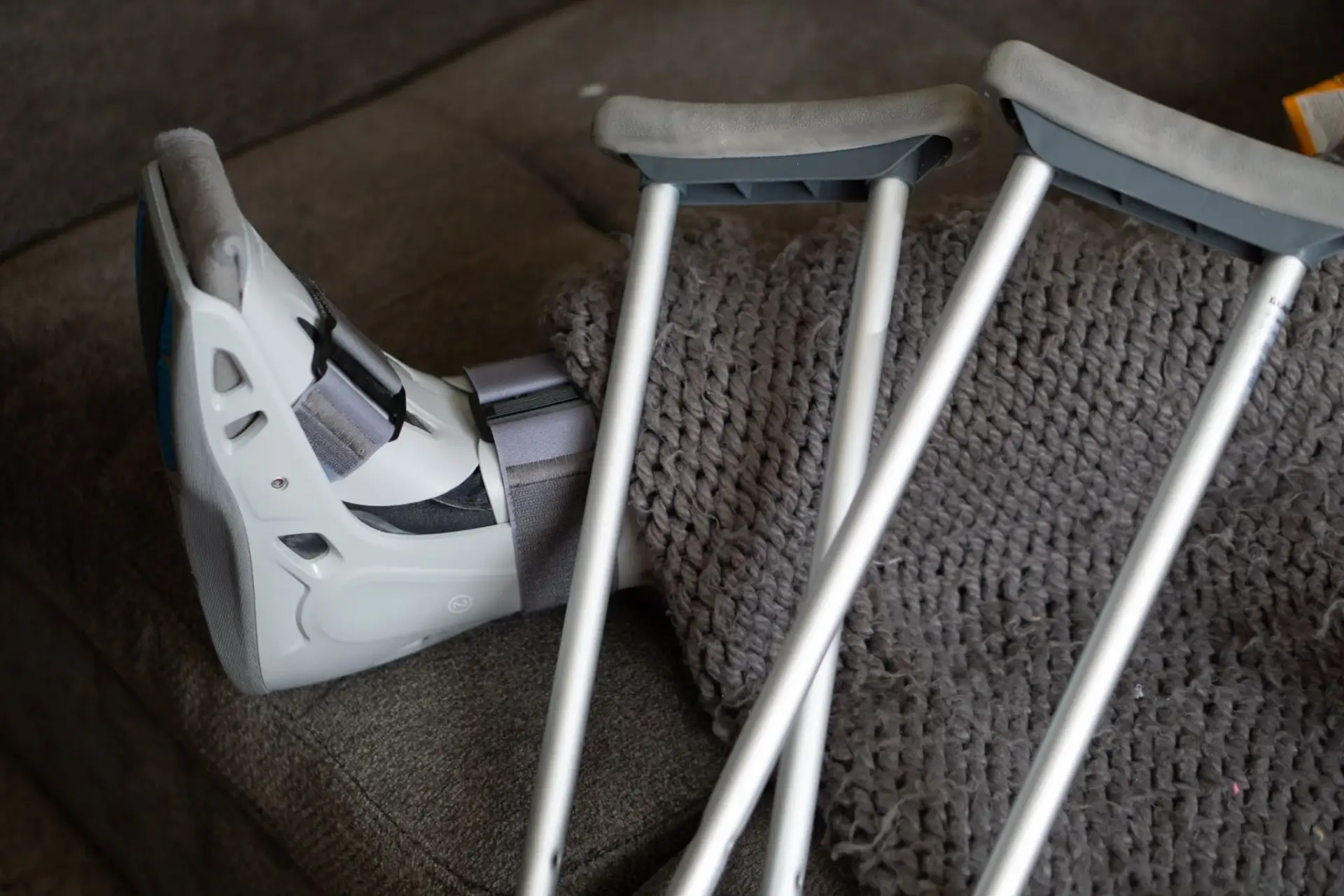
- Splints or casts
- Bracing
- Rest and immobilization
- Pain management
- Physical therapy
Most fractures heal with proper immobilization, while severe cases may require surgical repair.
Treatment for Dislocations
- Joint reduction (medical realignment)
- Immobilization with a sling or brace
- Ice therapy
- Pain control
- Rehabilitation exercises
Never attempt to relocate a dislocated joint at home, as this may cause nerve or blood vessel damage.
When to Visit Urgent Care
Seek care if you experience:
- Severe pain after injury
- Visible deformity
- Swelling or bruising
- Inability to move a joint or limb
- Numbness or tingling
- Difficulty bearing weight
Prevention Tips
- Use protective gear during sports
- Strengthen muscles around joints
- Maintain balance and flexibility
- Use proper lifting techniques
- Wear supportive footwear
- Reduce fall risks at home
Walk-In Care for Injuries
If you suspect a fracture or dislocation, UrgiClinic Urgent Care can evaluate your injury and guide appropriate treatment for non-life-threatening conditions only.
Use check-in now to reduce wait times and receive prompt care. If you are experiencing severe trauma, open fractures, uncontrolled bleeding, or other emergencies, go to the nearest emergency room or call emergency services immediately.