

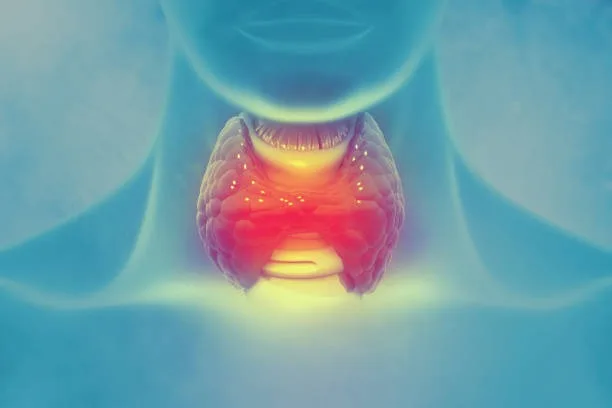
Thyroid disorders are more common than many people realize, yet they often go undiagnosed because symptoms can develop slowly or mimic other health conditions. The thyroid is a small, butterfly-shaped gland located at the base of your neck, but it plays a powerful role in regulating how your body functions. From controlling metabolism and heart rate to influencing mood and energy levels, the thyroid affects nearly every organ system.
When the thyroid produces too much or too little hormone, it can disrupt this balance and lead to noticeable health changes. According to the American Thyroid Association, millions of people are affected by thyroid disorders, and early recognition is key to preventing complications.
What Are Thyroid Disorders?
Thyroid disorders occur when the thyroid gland becomes overactive, underactive, or structurally abnormal. These conditions can be temporary or long-term, depending on the cause.
The most common thyroid conditions include:
- Hypothyroidism – a condition where the thyroid does not produce enough hormones, slowing down bodily processes
- Hyperthyroidism – a condition where the thyroid produces excess hormones, speeding up metabolism
- Thyroid nodules – lumps that may form within the thyroid and may or may not affect hormone production
- Thyroiditis – inflammation of the thyroid that can disrupt hormone levels
Each condition presents differently, but all can interfere with normal body function if not properly managed.
Symptoms of Thyroid Disorders
One of the challenges of identifying thyroid disorders is that symptoms often develop gradually and may be mistaken for stress, aging, or other health issues.
Symptoms of hypothyroidism may include:
- Ongoing fatigue or low energy
- Weight gain despite no change in diet
- Sensitivity to cold
- Dry skin and thinning hair
- Depression or slowed thinking
Symptoms of hyperthyroidism may include:
- Rapid or irregular heartbeat
- Unexplained weight loss
- Increased appetite
- Anxiety or restlessness
- Sweating and heat intolerance
Because symptoms can vary widely, it’s important not to ignore persistent changes in how you feel.
Causes and Risk Factors
Thyroid disorders can develop for several reasons, often involving the immune system or hormonal changes.
Common causes include:
- Autoimmune conditions such as Hashimoto’s thyroiditis or Graves’ disease
- Family history of thyroid disease
- Iodine deficiency or excess
- Pregnancy or postpartum hormonal shifts
- Certain medications that affect thyroid function
According to the Mayo Clinic, women and older adults are more likely to develop thyroid conditions.
How Thyroid Disorders Affect Daily Life
When thyroid hormone levels are imbalanced, it can affect everyday activities in noticeable ways. You may feel too tired to complete routine tasks, struggle with concentration, or experience mood changes that impact relationships and work.
For example:
- Hypothyroidism may cause slowed thinking and low motivation
- Hyperthyroidism may lead to irritability and difficulty sleeping
These effects highlight why early diagnosis and treatment are so important.
Diagnosis and Testing
Diagnosing thyroid disorders typically involves:
- Blood tests to measure hormone levels (TSH, T3, T4)
- Imaging tests such as ultrasound
- Physical examination of the neck
These tests help determine the type and severity of the condition.
Treatment and Management

Treatment depends on the specific thyroid disorder and its severity. Many individuals can manage their condition effectively with consistent care.
Treatment options include:
- Hormone replacement therapy for hypothyroidism
- Medications to reduce hormone production in hyperthyroidism
- Beta-blockers to control symptoms like rapid heart rate
- Lifestyle adjustments such as balanced nutrition and stress management
In some cases, more advanced treatments like surgery may be needed.
Complications of Untreated Thyroid Disorders
If left untreated, thyroid disorders can lead to serious complications, such as:
- Heart disease
- Infertility
- Nerve damage
- Severe metabolic imbalances
Recognizing symptoms early can help prevent these outcomes.
When to Seek Medical Care
You should seek medical attention if you notice:
- Persistent fatigue or weakness
- Sudden weight changes
- Heart palpitations
- Swelling or discomfort in the neck
These symptoms may indicate an underlying thyroid issue that needs evaluation.
Walk-In With Us
If you’re experiencing symptoms that may be related to a thyroid disorder, UrgiClinic Urgent Care is here to help. Our team can assess your symptoms and guide you toward the right care plan.
Walk in today for fast, professional support—no appointment needed.