Heart disease remains one of the biggest threats to public health. It can develop gradually, sometimes without obvious warning signs, before causing a serious event such as a heart attack or stroke.
The good news is that many heart disease risk factors can be prevented, managed, or improved with the right habits and medical care.
That makes prevention more important than ever.
In this blog, we’ll explore why heart disease continues to be a concern, what increases your risk, and what you can do to protect your heart.
Why Is Heart Disease Still a Major Concern?
Heart disease does not always begin with a sudden heart attack. Cardiovascular problems can develop silently over many years.
According to the CDC’s heart disease statistics and risk information, high blood pressure, high cholesterol, smoking, diabetes, physical inactivity, and unhealthy eating habits can all increase your risk.
The American Heart Association’s 2026 Heart Disease and Stroke Statistics also highlights the continuing impact of cardiovascular disease and its major risk factors.
While some risk factors cannot be changed, many can.
That means prevention can start long before symptoms appear.
What Increases Your Risk of Heart Disease?
Heart disease does not have one single cause. Several factors can contribute to your overall risk.
1. High Blood Pressure
High blood pressure puts extra pressure on your arteries and heart. Over time, uncontrolled blood pressure can damage blood vessels and increase the risk of heart disease and stroke.
The problem is that high blood pressure often causes no noticeable symptoms.
Regular blood pressure checks are one of the simplest ways to identify this risk factor early. The CDC recommends regular blood pressure monitoring as part of heart disease prevention.
2. High Cholesterol
Cholesterol is necessary for your body, but too much LDL, or “bad,” cholesterol can contribute to plaque buildup inside your arteries.
This buildup can narrow the arteries and reduce blood flow to the heart.
Because high cholesterol usually does not cause symptoms, a blood test is often needed to identify it.
If you have high cholesterol, your healthcare provider can recommend lifestyle changes, medication, or both based on your individual risk.
3. Smoking and Tobacco Use

Smoking can damage blood vessels, raise blood pressure, and increase the risk of heart disease.
Even exposure to secondhand smoke can affect cardiovascular health.
If you smoke, quitting is one of the most important steps you can take for your heart. The CDC’s smoking cessation resources can provide information and support for people who want to quit.
4. Diabetes and Blood Sugar
Diabetes can increase the risk of heart disease because consistently high blood sugar can damage blood vessels over time.
Managing blood sugar and addressing other risk factors can help protect your cardiovascular health.
Your healthcare provider may recommend regular blood sugar testing, especially if you have risk factors for diabetes.
5. Physical Inactivity
A sedentary lifestyle can contribute to several heart disease risk factors, including high blood pressure, high cholesterol, excess weight, and diabetes.
Regular physical activity can help improve these areas.
You do not have to start with intense workouts. Walking, cycling, swimming, dancing, or other activities you enjoy can help you become more active.
How Can You Prevent Heart Disease?
Prevention does not require completely changing your lifestyle overnight.
Small, consistent changes can make a difference over time.
Eat for Better Heart Health
A heart-healthy diet can include vegetables, fruits, whole grains, lean protein, and healthy sources of fat.
Try to limit foods high in saturated fat, added sugar, and sodium.
The American Heart Association’s updated 2026 dietary guidance emphasizes overall diet quality and healthier food choices as important parts of cardiovascular disease prevention.
Stay Physically Active
Find activities that fit naturally into your routine.
Take a walk during your lunch break. Use the stairs when practical. Go for a bike ride with your family.
The goal is to make movement a regular part of your day.
Maintain a Healthy Weight
Excess weight can increase the risk of high blood pressure, diabetes, and abnormal cholesterol levels.
Instead of focusing only on the number on the scale, work with your healthcare provider on sustainable eating, activity, and lifestyle habits.
Know Your Numbers
Prevention starts with knowing your health numbers.
Ask your healthcare provider about your:
- Blood pressure
- Cholesterol
- Blood sugar
- Weight and body mass index
- Other cardiovascular risk factors
The American Heart Association’s PREVENT risk calculator can help healthcare professionals estimate cardiovascular risk using factors such as blood pressure, cholesterol, kidney function, diabetes status, and smoking history.
Your healthcare provider can help interpret your results and determine which preventive steps make sense for you.
Can Heart Disease Be Prevented?
Not every case of heart disease can be prevented. Age, genetics, and family history can affect your risk.
However, many important risk factors can be changed or managed.
The CDC’s heart disease prevention recommendations emphasize healthy eating, regular physical activity, maintaining a healthy weight, avoiding tobacco, and managing conditions such as high blood pressure, high cholesterol, and diabetes.
Prevention is not about being perfect.
It is about identifying your risks early and taking reasonable steps to reduce them.
When Should You Seek Medical Care?
Heart disease can sometimes cause warning signs that should not be ignored.
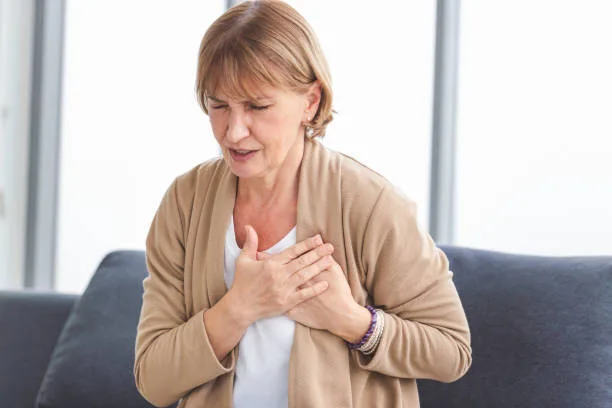
Seek emergency medical attention if you experience:
- Chest pain, pressure, or discomfort
- Pain or discomfort spreading to the arm, shoulder, jaw, neck, or back
- Sudden or severe shortness of breath
- Cold sweats
- Nausea or vomiting along with concerning symptoms
- Severe dizziness or fainting

The CDC’s information on coronary artery disease and heart attack symptoms explains why these symptoms require prompt attention.
Do not wait for symptoms to become severe before seeking help.
For a deeper look at warning signs and risk factors, read UrgiClinic’s Heart Disease and Heart Attacks: Signs, Symptoms, and Causes.
Protect Your Heart Before Problems Start
Heart disease prevention begins long before a serious cardiovascular event occurs.
You can start by knowing your risk factors, getting regular health checks, staying active, eating a balanced diet, avoiding tobacco, and managing conditions that affect your heart.
You do not have to make every change at once.
Start with one healthy habit and build from there. Your future heart health can benefit from the choices you make today.
For more information about cardiovascular health, explore UrgiClinic’s Complete Guide to Cardiovascular Health.
Visit UrgiClinic Urgent Care for Heart Health Concerns
If you have concerns about your blood pressure, cholesterol, heart-related symptoms, or other cardiovascular risk factors, getting evaluated can help you understand your next steps.
At UrgiClinic Urgent Care, our healthcare professionals can evaluate concerning symptoms, check vital signs, and guide you toward appropriate follow-up care.
If you experience severe chest pain, sudden shortness of breath, or other signs of a heart attack, seek emergency medical care immediately.
For non-emergency concerns, visit UrgiClinic Urgent Care for prompt evaluation and personalized guidance.