
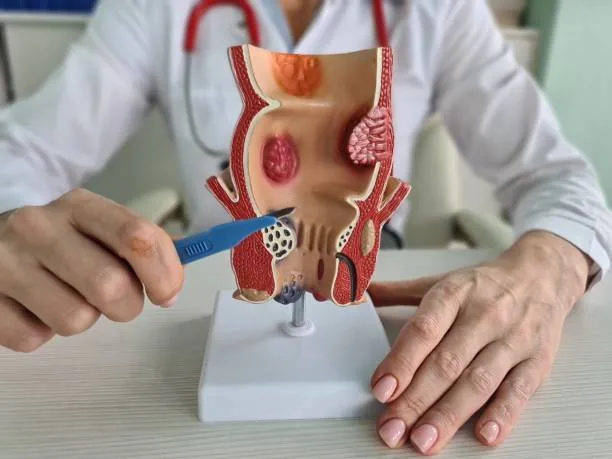
Hemorrhoids are a common yet often uncomfortable condition that affects millions of people. They occur when veins in the lower rectum or anus become swollen and inflamed, leading to symptoms such as pain, itching, and bleeding. While hemorrhoids are not usually dangerous, they can significantly impact daily comfort and quality of life if left untreated.
Many people experience hemorrhoids at some point, especially during periods of increased pressure in the lower digestive tract. Despite how common they are, symptoms are often ignored or misunderstood, which can allow the condition to worsen over time. Understanding the causes, symptoms, and treatment options for hemorrhoids is essential for managing discomfort and preventing recurrence.
According to the National Institute of Diabetes and Digestive and Kidney Diseases and the Mayo Clinic, hemorrhoids are one of the most common causes of rectal discomfort and bleeding in adults.
What Are Hemorrhoids?
Hemorrhoids are swollen veins located in the lower rectum or around the anus. They develop when increased pressure causes these veins to stretch and bulge.
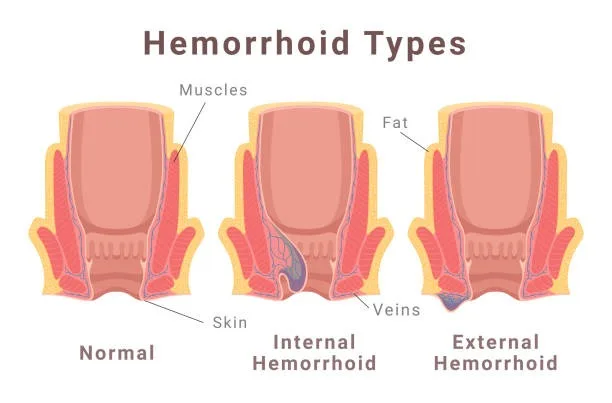
There are two main types of hemorrhoids:
- Internal hemorrhoids
Located inside the rectum, these are usually not visible and often painless but may cause bleeding during bowel movements - External hemorrhoids
Found under the skin around the anus, these can be painful, swollen, and itchy, especially when irritated
In some cases, internal hemorrhoids may prolapse, meaning they extend outside the anus, leading to increased discomfort.
Common Causes of Hemorrhoids
Hemorrhoids develop due to increased pressure in the rectal and anal veins. This pressure can result from a variety of lifestyle and health factors.
Common causes include:
- Straining during bowel movements
- Chronic constipation or diarrhea
- Sitting for prolonged periods, especially on the toilet
- A low-fiber diet that leads to hard stools
- Pregnancy, due to increased pressure in the pelvic area
- Obesity, which adds pressure to the lower body
- Heavy lifting or physically demanding activities
These factors can weaken vein walls over time, making hemorrhoids more likely to develop.
Symptoms of Hemorrhoids
Symptoms of hemorrhoids can vary depending on the type and severity of the condition. Some people may experience mild irritation, while others may have more noticeable discomfort.
Common symptoms include:
- Bright red blood during or after bowel movements
- Pain or discomfort in the anal area
- Itching or irritation around the anus
- Swelling or inflammation
- A lump near the anus, which may be tender or painful
- Leakage or difficulty keeping the area clean
Internal hemorrhoids typically cause painless bleeding, while external hemorrhoids are more likely to cause pain and swelling.
Diagnosis of Hemorrhoids
A healthcare provider can usually diagnose hemorrhoids through a physical examination and review of symptoms. In some cases, additional evaluation may be recommended to rule out other conditions.
Diagnosis may include:
- Visual inspection of the anal area
- Digital rectal examination
- Review of symptoms and bowel habits
- Additional tests if bleeding is persistent or unclear
Accurate diagnosis is important to ensure that symptoms are not caused by other conditions with similar presentations.
Treatment Options for Hemorrhoids
Treatment for hemorrhoids depends on the severity of symptoms and how long they have been present. Many cases can be managed with simple lifestyle changes and at-home care.
Mild to moderate treatment options include:
- Increasing fiber intake through fruits, vegetables, and whole grains
- Drinking plenty of water to soften stools
- Using over-the-counter creams or ointments to reduce discomfort
- Taking warm sitz baths to soothe irritation
- Avoiding straining during bowel movements
For more severe or persistent cases, medical treatment may be necessary.
Advanced treatment options may include:
- Minimally invasive procedures to shrink hemorrhoids
- Removal of thrombosed external hemorrhoids
- Other medical interventions based on severity
Early treatment can help prevent symptoms from worsening and reduce the need for more invasive procedures.
When to Seek Urgent Care
You should seek medical attention if you experience:
- Persistent or heavy rectal bleeding
- Severe pain or swelling
- A painful lump near the anus
- Symptoms that do not improve with home treatment
- Difficulty with bowel movements due to discomfort
These symptoms may indicate more advanced hemorrhoids or other conditions that require prompt evaluation.
Prevention Tips for Hemorrhoids
Preventing hemorrhoids often involves improving bowel habits and reducing pressure on the rectal veins.
Helpful prevention strategies include:
- Eating a high-fiber diet to promote regular bowel movements
- Staying well-hydrated
- Avoiding straining during bowel movements
- Limiting time spent sitting on the toilet
- Staying physically active to support digestion
- Maintaining a healthy weight
Small lifestyle changes can significantly reduce the risk of developing hemorrhoids or experiencing recurring symptoms.
Walk-In Care for Hemorrhoids
If hemorrhoids are causing discomfort, pain, or ongoing symptoms, getting prompt medical care can make a significant difference. UrgiClinic Urgent Care offers discreet, professional evaluation and treatment for hemorrhoids, helping you find relief quickly and safely.
Don’t let discomfort interfere with your daily life. Walk in today for fast, compassionate care and take the first step toward lasting relief.