
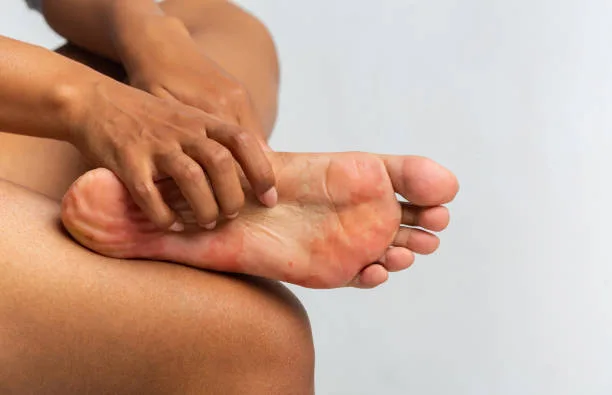
Jock itch is a common fungal skin infection that affects the groin area, inner thighs, and sometimes the buttocks. While it is not usually serious, it can cause significant discomfort, persistent itching, and irritation that interferes with daily activities.
Because it thrives in warm, moist environments, jock itch is more common in people who sweat heavily, wear tight clothing, or engage in sports. Although it can often be treated with over-the-counter antifungal medications, some cases require medical evaluation if symptoms persist or worsen.
Severe skin infections, spreading redness with fever, or significant pain should be evaluated urgently, especially if there are signs of systemic illness. For non-emergency skin concerns, UrgiClinic can help evaluate and treat conditions like jock itch through What We Treat.
What Is Jock Itch?
Jock itch, medically known as tinea cruris, is a fungal infection caused by dermatophytes, fungi that live on the skin. These fungi naturally thrive in warm, moist areas of the body, making the groin region an ideal environment for growth.
Jock itch is closely related to other fungal infections such as athlete’s foot and ringworm, which are caused by similar organisms.
Despite its name, jock itch is not limited to athletes. Anyone can develop the condition, especially if conditions allow moisture and friction to build up in the groin area.
Symptoms of Jock Itch
Symptoms can range from mild irritation to more severe discomfort depending on how long the infection has been present.
Common symptoms include:
- Red or pink rash in the groin area
- Persistent itching
- Burning sensation
- Flaking or peeling skin
- Rash that spreads to inner thighs or buttocks
- Increased irritation with sweating or friction
In some cases, the rash may form a ring-like pattern with clearer skin in the center, which is typical of fungal infections. Although jock itch is not dangerous, scratching the area can lead to skin damage and secondary bacterial infection.
Causes of Jock Itch
Jock itch develops when fungi multiply on the skin due to favorable conditions. Several factors contribute to its development.
Warm and Moist Environments
Fungi thrive in humidity and heat. Sweat trapped in tight clothing creates an ideal environment for infection.
Friction
Repeated rubbing of skin in the groin area can damage the skin barrier and make it easier for fungi to spread.
Poor Hygiene or Infrequent Clothing Changes
Not changing out of sweaty clothes quickly can increase risk.
Spread from Other Fungal Infections
The infection often spreads from athlete’s foot if the same towel or clothing is used for both areas.
Shared Personal Items
Sharing towels, clothing, or sports gear can transfer fungal organisms.
The CDC explains that fungal infections spread easily through direct contact and contaminated surfaces.
Risk Factors for Jock Itch
Certain individuals are more likely to develop jock itch due to lifestyle or health-related factors.
Athletes and Active Individuals
People who exercise regularly or participate in sports are more prone due to sweating and prolonged moisture exposure.
Hot or Humid Climates
Living in warm environments increases the likelihood of fungal growth.
Obesity
Excess skin folds can trap moisture and increase friction in the groin area.
Wearing Tight Clothing
Tight underwear or athletic gear can restrict airflow and increase sweating.
Weakened Immune System
Individuals with compromised immunity may be more susceptible to fungal infections.
Existing Fungal Infections
Athlete’s foot or ringworm can spread to the groin if not properly treated.
How Jock Itch Is Diagnosed
Diagnosis is usually simple and based on a physical examination.
A healthcare provider will evaluate:
- Appearance of the rash
- Location of symptoms
- Severity of itching or irritation
- Patient history of fungal infections or exposure
In most cases, no laboratory testing is needed. However, if the rash is unusual or does not respond to treatment, a skin scraping may be taken to confirm fungal presence.
At UrgiClinic, providers can evaluate skin rashes and infections as part of our Medical Assistance services.
Treatment for Jock Itch
Most cases of jock itch respond well to antifungal treatment and proper hygiene practices.
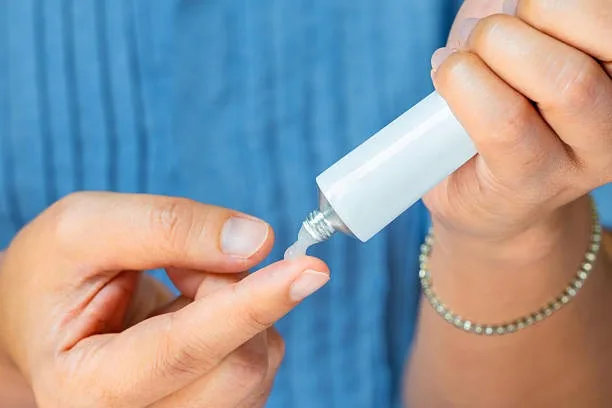
Over-the-Counter Antifungal Creams
Topical antifungal medications are typically the first line of treatment. These are applied directly to the affected area for one to two weeks.
Prescription Medication
If symptoms are severe or persistent, stronger prescription antifungal creams or oral medications may be needed.
Keeping the Area Dry
Moisture control is essential. Keeping the groin area dry helps prevent fungal growth.
Loose Clothing
Wearing breathable, loose-fitting clothing helps reduce irritation and sweating.
The American Academy of Dermatology recommends continuing treatment for a full course even if symptoms improve early to prevent recurrence.
Home Care and Prevention Tips
Preventing reinfection is just as important as treatment.
- Shower after exercise or sweating
- Change underwear daily or more often if needed
- Avoid sharing towels or clothing
- Use antifungal powder if prone to sweating
- Keep the groin area dry and clean
- Treat athlete’s foot promptly if present
These steps reduce the chance of recurrence and help maintain skin health.
When Jock Itch Becomes a Concern
While jock itch is usually mild, medical attention may be needed if:
- The rash does not improve after 1–2 weeks of treatment
- The infection spreads despite antifungal use
- Pain, swelling, or pus develops
- There are signs of bacterial infection
- The diagnosis is uncertain
A provider can help confirm whether the rash is fungal or caused by another skin condition such as eczema or dermatitis.
When to Seek Urgent Care vs Emergency Care
Jock itch itself is not an emergency condition. However, if symptoms are accompanied by fever, rapidly spreading redness, severe pain, or signs of systemic infection, urgent medical evaluation is recommended.
If you experience severe symptoms such as high fever with widespread skin redness or confusion, seek emergency care immediately.
Walk-In Care for Jock Itch
If you are dealing with persistent itching, redness, or a rash that is not improving with over-the-counter treatment, UrgiClinic Urgent Care can help evaluate and manage the condition.
Our providers can confirm the diagnosis, recommend appropriate antifungal treatment, and help prevent recurrence. You can also reduce wait time by using Check-In Now. For more information on conditions we treat, visit What We Treat.
Early treatment helps relieve discomfort faster and prevents the infection from spreading or returning.